
Netherlands: Five Amsterdam LGBTQ Voices on Everyday Bias
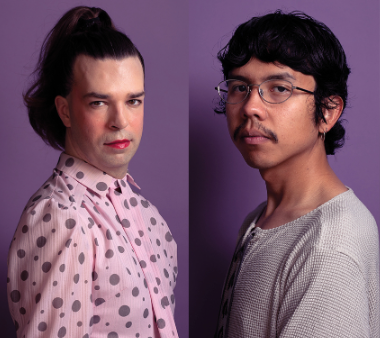
Image source: hetparool~instahrim
In October 2026, Dutch daily Het Parool published a portrait series on its official Instagram account, turning the lens on five LGBTQ people living in Amsterdam. The question behind it: what does daily life feel like when more and more Dutch people look at this community with suspicion? The portraits were shot by photographer Ernst Coppejans.
The caption pulls no punches: LGBTQ people are increasingly seen in a negative light by the Dutch public. One by one, the five subjects face the camera against a purple backdrop, calm and unflinching. One of them recalls the worst moment — a whole street watching as a group followed him, hurling slurs all the way. The public humiliation, he says, still stings.
The series lands against hard numbers. In September 2026, Utrecht University and the Trimbos Institute released the quadrennial HBSC youth survey: between 2021 and 2025, acceptance of homosexuality among Dutch teenagers fell off a cliff — from 40% to 22% among boys, from 78% to 51% among girls. Prime Minister Rob Jetten called the figures "shocking"; COC Nederland, the country's LGBTQ advocacy group, called it an "alarming reversal" and urged schools and social media platforms to act.
The Netherlands was once the global frontrunner on LGBTQ rights, the first country to legalize same-sex marriage in 2001. The tide has turned, and prejudice has seeped from online shouting matches into everyday life. What makes Parool's portraits matter is that they turn cold statistics back into real people: bigotry isn't a curve on a chart, it's the stares and slurs someone faces just walking out the door. Rights, it turns out, are never a done deal.
European Editorial Office: Lucas Bakker
Related Content
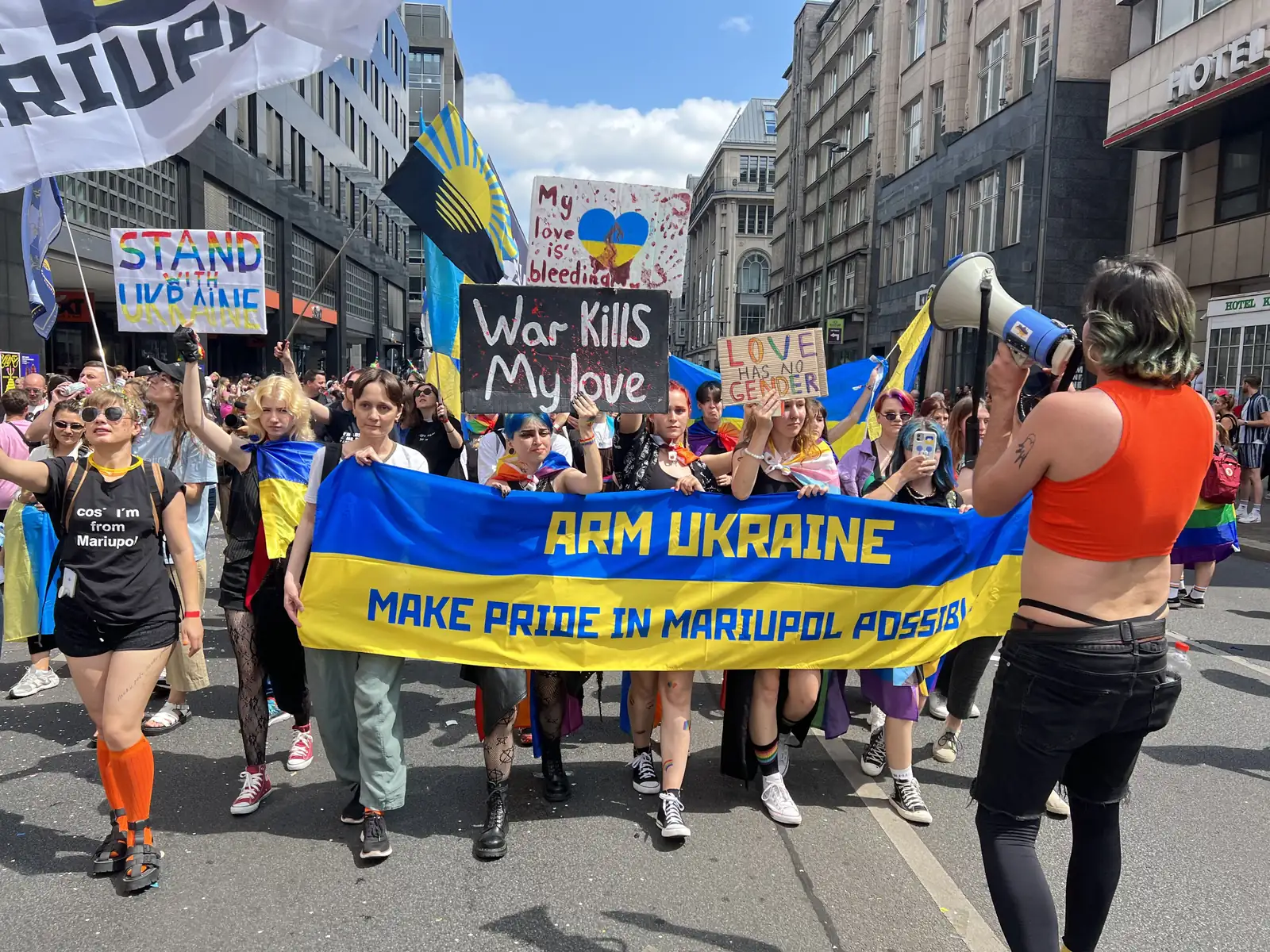
Ukraine: Sphere and KyivPride to Unveil Study on Anti-LGBTQ+ Disinformation
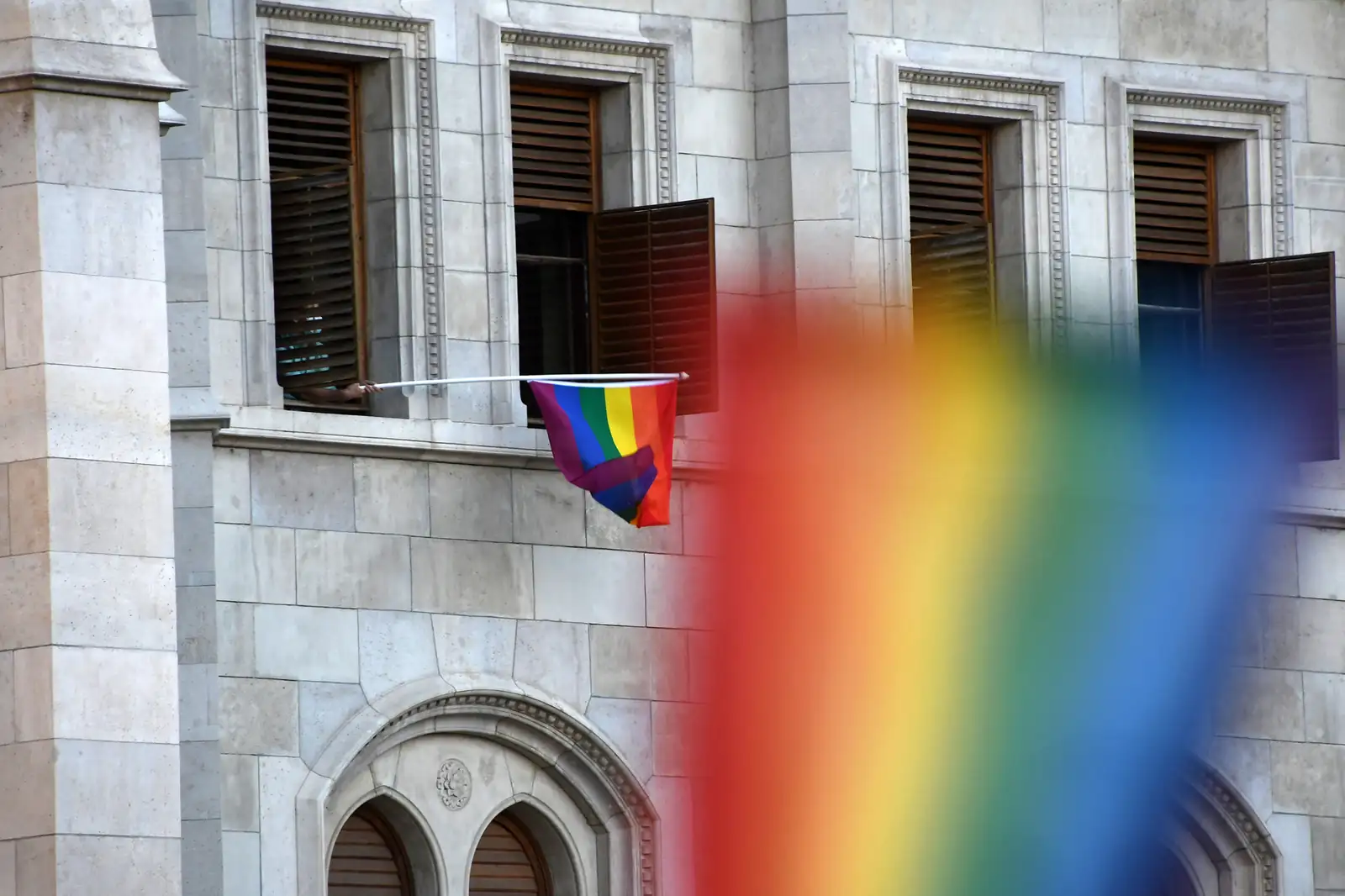
Hungary: Parliament votes 139-51 to remove anti-LGBTQ provisions
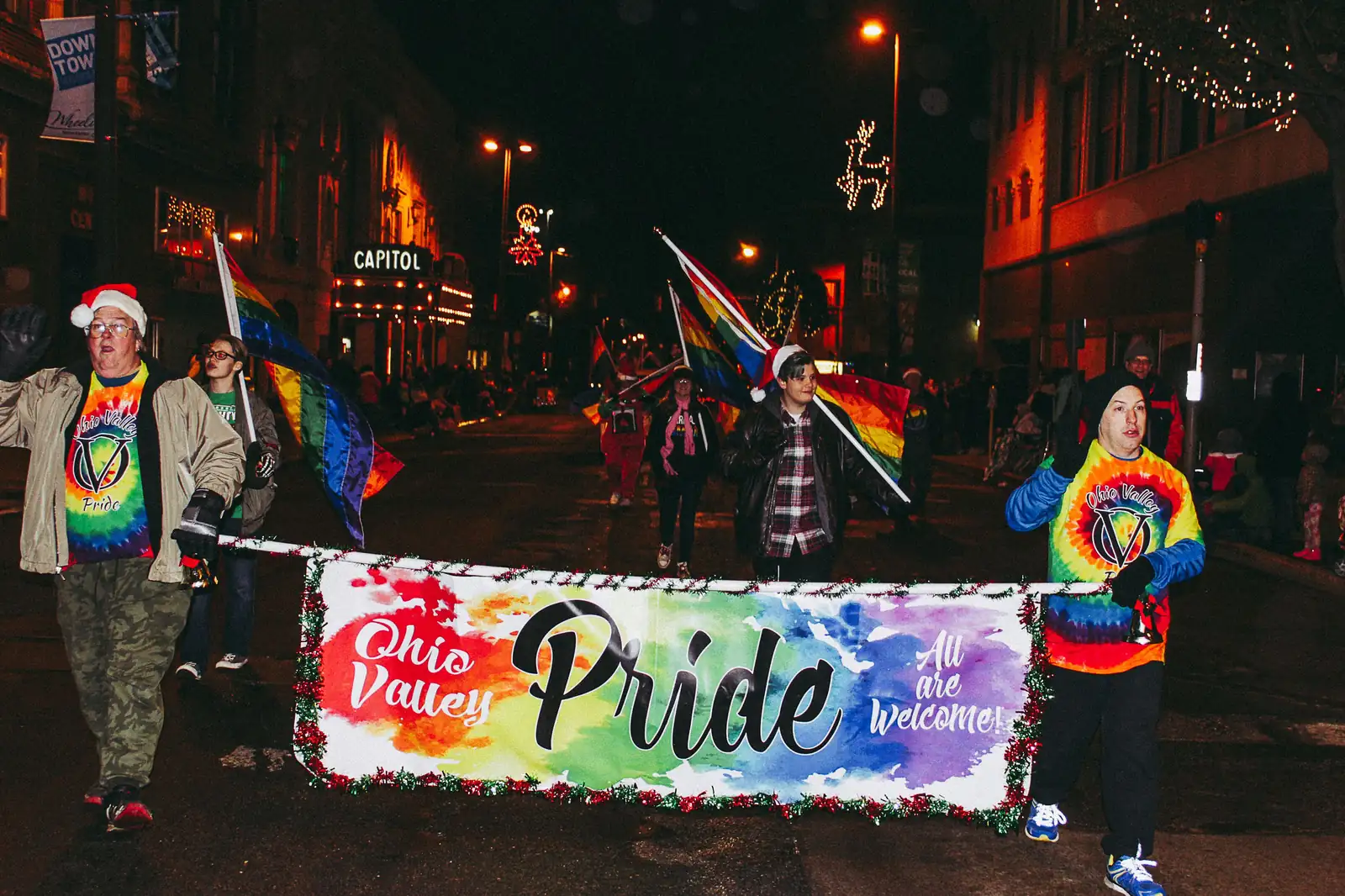
Poland: Kraków's new mayor withdraws Equality March patronage
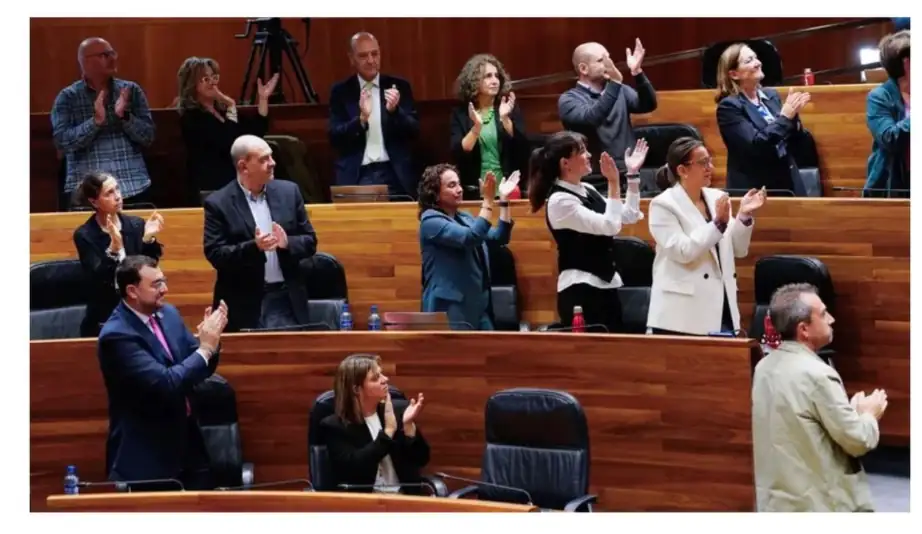
Spain: Asturias passes first LGTBI law after seven years
UK: NHS England bars trans people from wards matching gender identity
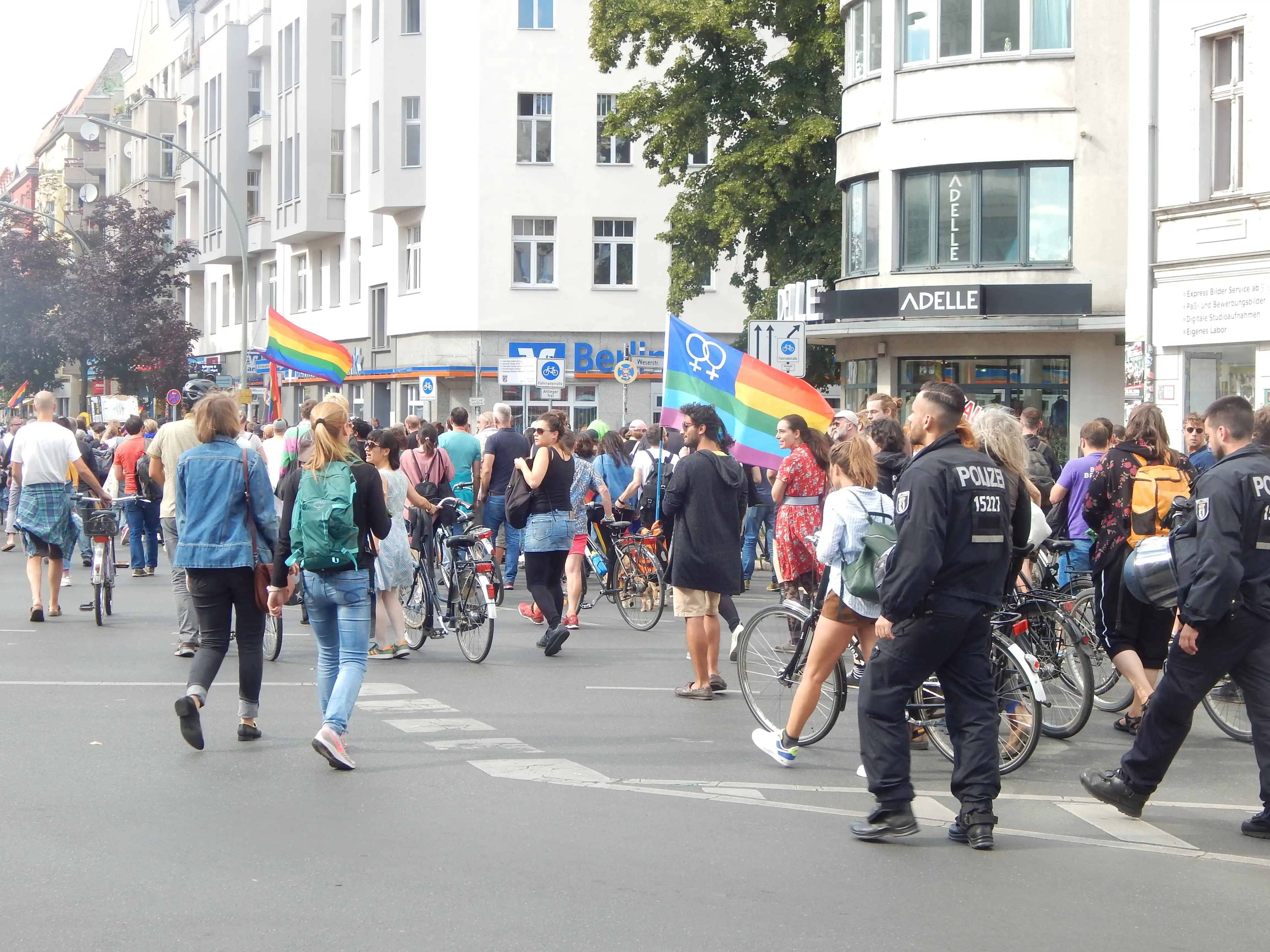
Türkiye: News site T24 blocked over 'LGBT propaganda'