
Senegal: Anti-LGBTQ+ Crackdown Signals Broad Human Rights Rollback in West Africa
This image is for illustrative purposes only and is not directly related to this story. Image source: Brett Sayles (Pexels)
On March 11, 2026, the Parliament of Senegal amended Article 319 of the national Penal Code, doubling the maximum prison sentence for same-sex sexual conduct to 10 years and explicitly criminalising the promotion of LGBTQIA+ individuals and advocacy groups. In a comprehensive investigative report, Human Rights Watch warned of an intensifying administrative crackdown triggered by the enactment of these severe punitive measures. Law enforcement authorities have executed mass arrests across the country, subjected detainees to compulsory HIV testing, and placed severe constraints on legal representation, instilling an acute atmosphere of intimidation throughout the francophone West African nation.
According to documentation compiled by the HIV Justice Network, more than 300 individuals were arrested between February and July 2026 for alleged violations of anti-homosexuality provisions, including educators, students, and healthcare practitioners. Among those detained, 35 individuals were recently taken into custody on fabricated charges of voluntary HIV transmission. The escalation in criminal enforcement has forced numerous queer citizens into hiding and compelled them to sever digital networks to escape escalating harassment and vigilante violence. Furthermore, defense attorneys reported that the sweeping statutory ban on promoting sexual minorities directly jeopardizes due process, as providing standard legal counsel to accused clients carries the imminent risk of facing criminal prosecution themselves.
Human rights monitors emphasize that the escalating repression in Senegal is not an isolated phenomenon, but rather the latest manifestation of a wider rollback of civil rights across West Africa and the Sahel. In recent years, neighboring administrations in Niger, Mali, Burkina Faso, and Ghana have enacted or advanced comparable punitive restrictions, expanding custodial penalties and curtailing freedoms of peaceful assembly. In Burkina Faso, where same-sex relations had been decriminalized since 1996, the military junta led by Captain Ibrahim Traoré reinstated criminal penalties under the banner of national sovereignty and resistance to foreign influence. This coordinated statutory retrenchment was further consolidated at the African Inter-Parliamentary Conference on Family Values held in Ghana in August 2026, where lawmakers drafted a transnational charter framing sexual diversity as cultural recolonization.
Regional civil society networks point out that this systematic legislative tightening is driven by domestic political opportunism intersecting with international conservative patronage. Advocacy groups, including Pan-Africa ILGA and ISDAO, observed that domestic political leaders weaponize anti-queer hostility as a convenient diversion from broader social discord while securing religious political backing. Concurrently, conservative and far-right coalitions from North America and Europe continue to funnel funding, legal strategies, and narrative frameworks into the region to advance anti-LGBTQIA+ and anti-reproductive rights agendas. Rights advocates urge the international community to counter these transcontinental campaigns by providing urgent logistical support to local grassroots organizations working on the frontlines of humanitarian and legal defense.
Africa Editorial Office: Imani Makena
Source: Compiled from Human Rights Watch and specialized regional reports
References
Human Rights Watch - Africa Regional Reporting Portal
Related Content
Ghana: Parliament Speaker Admits Rushed Anti-LGBTQ+ Bill Has Flaws Ahead of Reconsideration
Morocco: Eight LGBTQ+ People Sentenced in Fez
Cameroon Two Truck Drivers Detained 251 Days on Homosexuality-Related Charges Before Release
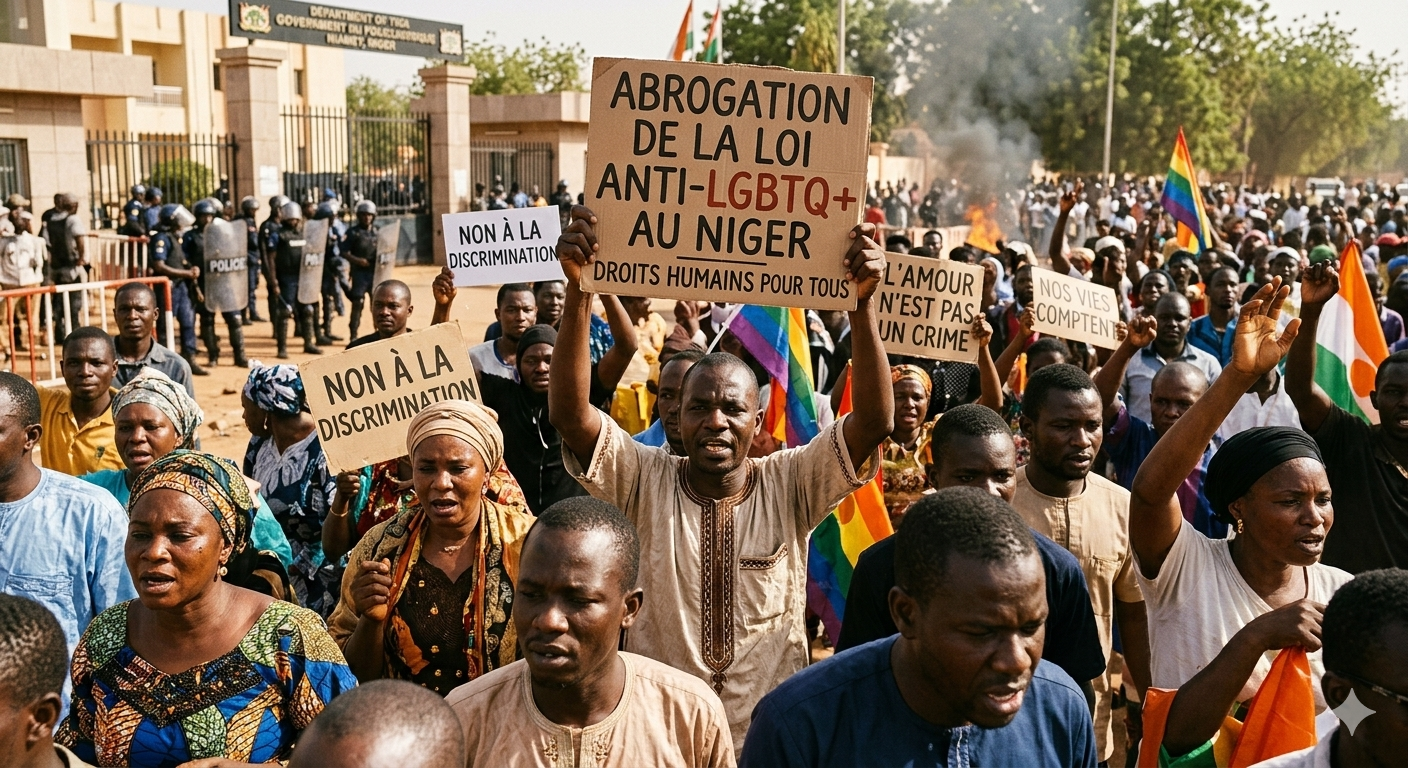
Africa Niger Enacts Anti-Gay Law, Reversing Africa's Decriminalization Trend
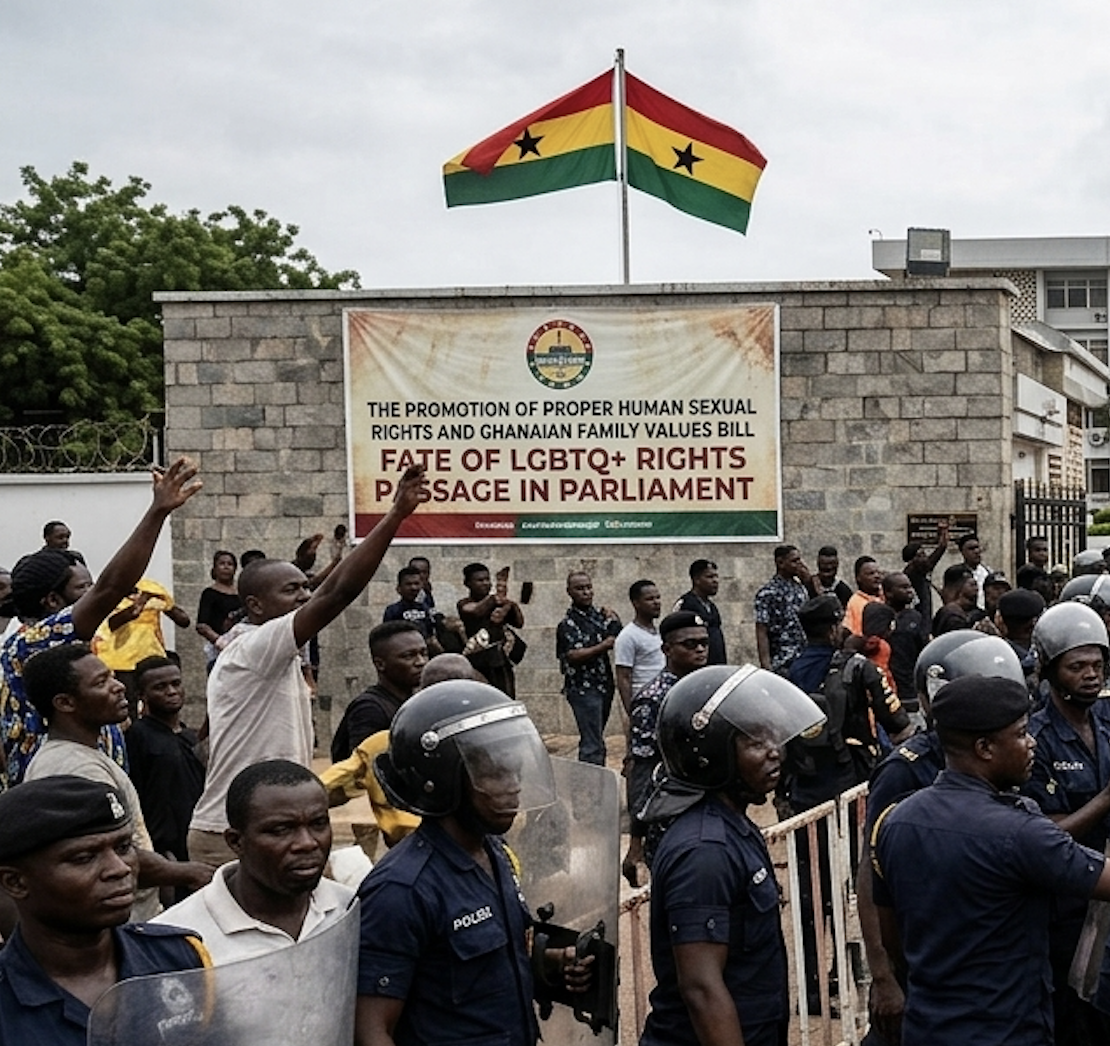
Ghana Parliament Passes Anti-LGBTQ+ Legislation Amid Procedural Chaos; Supporters Call for Bill Recall
Senegal Doubles Maximum Penalties for Same-Sex Acts; Global LGBTQ Travel Compliance Tightens