
US: Supreme Court Rejects Appeal Seeking to Overturn Same-Sex Marriage Ruling
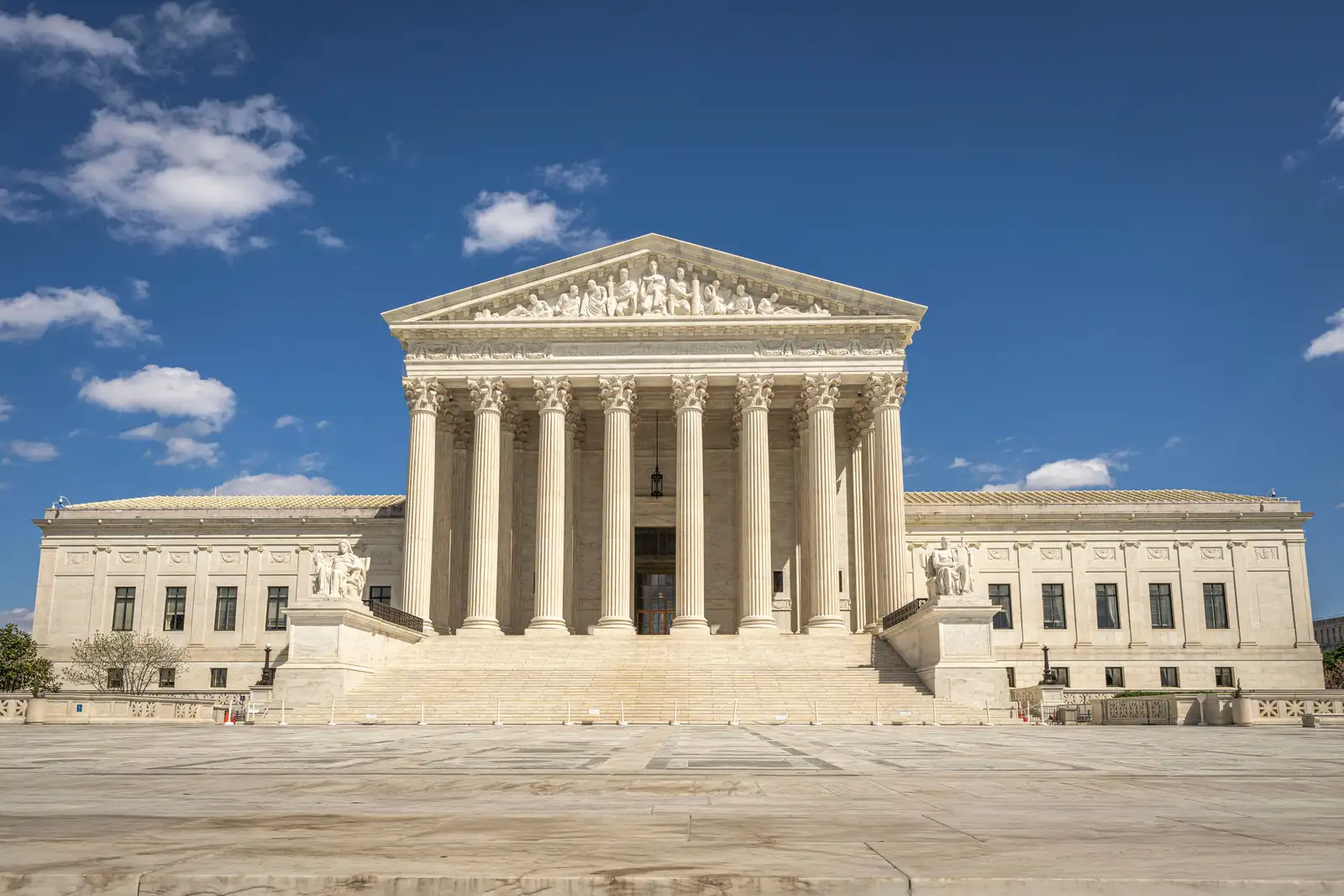
This image is for illustrative purposes only and is not directly related to this story. Image source: Mark Stebnicki (Pexels)
The Supreme Court of the United States on Monday rejected an appeal urging the court to reconsider and overturn its landmark 2015 ruling that established marriage equality nationwide. The justices turned away the petition for certiorari without comment, disposing of a challenge brought by former Kentucky county clerk Kim Davis, who famously defied the high court's ruling in Obergefell v. Hodges by withholding marriage licenses from same-sex couples. Davis had petitioned the highest bench to vacate lower court judgments ordering her to pay $360,000 in damages and legal fees to a plaintiff couple she unlawfully turned away.
Davis's legal representatives repeatedly anchored their filings to the pronouncements of Justice Clarence Thomas, who stands as the solitary jurist on the nine-member court advocating for the reconsideration and eradication of the substantive due process precedent underpinning Obergefell. However, the broader conservative majority declined to revisit the decision. Chief Justice John Roberts has maintained silence on the issue since his 2015 dissent, while Justice Samuel Alito has stated that he is not advocating for the ruling to be discarded. Furthermore, Justice Amy Coney Barrett observed that nationwide marriage equality involves extensive reliance interests among citizens who have married and raised children under statutory protections, distinguishing it jurisprudentially from the 2022 revocation of constitutional abortion rights.
Civil rights advocates and legal monitors commended the Supreme Court's decisive refusal to destabilize established rights. Human Rights Campaign president Kelley Robinson underscored the broader significance of the order, stating that the court made clear that public officials cannot violate the constitutional protections of others without facing concrete financial and legal accountability. Davis initially garnered national controversy in Rowan County, Kentucky, when her refusal to comply with judicial mandates resulted in a federal judge incarcerating her for contempt of court in September 2015, prompting the Kentucky legislature to subsequently enact legislation excising clerk endorsements from marriage certificates statewide.
From an institutional perspective, the denial of certiorari delivers critical statutory permanence to millions of LGBTQ+ families across the country. The disposition affirms that foundational constitutional guarantees affecting core domestic relations cannot be readily subordinated to administrative resistance or individual religious exemptions claimed by government agents. By leaving intact the binding precedent of Obergefell and the compensatory damages levied against official noncompliance, the judiciary reinforces equal protection principles and upholds the supremacy of the rule of law within public administration.
North American Editorial Office: Liam Smith
Source: Compiled from Associated Press Washington dispatch reporting
References
Supreme Court of the United States - Orders and Case Dockets
Legal Information Institute - Obergefell v. Hodges Constitutional Repository
Kentucky General Assembly - Legislative Records and Statutes
Related Content

US: Savannah Pride Attendee's Reflection on Boy's First Pride Resonates Widely

US: Trans Mutual Aid Group Accuses Seattle City Workers of Targeted Park Sweeps

US: CBS News Texas Probes Dark Money Behind Millions of Fake Trans Mailers

US: Virginia Voters Weigh Constitutional Amendment to Guarantee Marriage Equality

US: Chappell Roan Raises $2 Million for Trans Youth at LA Benefit

US: California Judge Allows Children's Hospital to Restrict Care for Some New Trans Patients