
Switzerland's Eurovision Faces Controversy Over Israel's Participation: Musical Unity vs. Political Divides
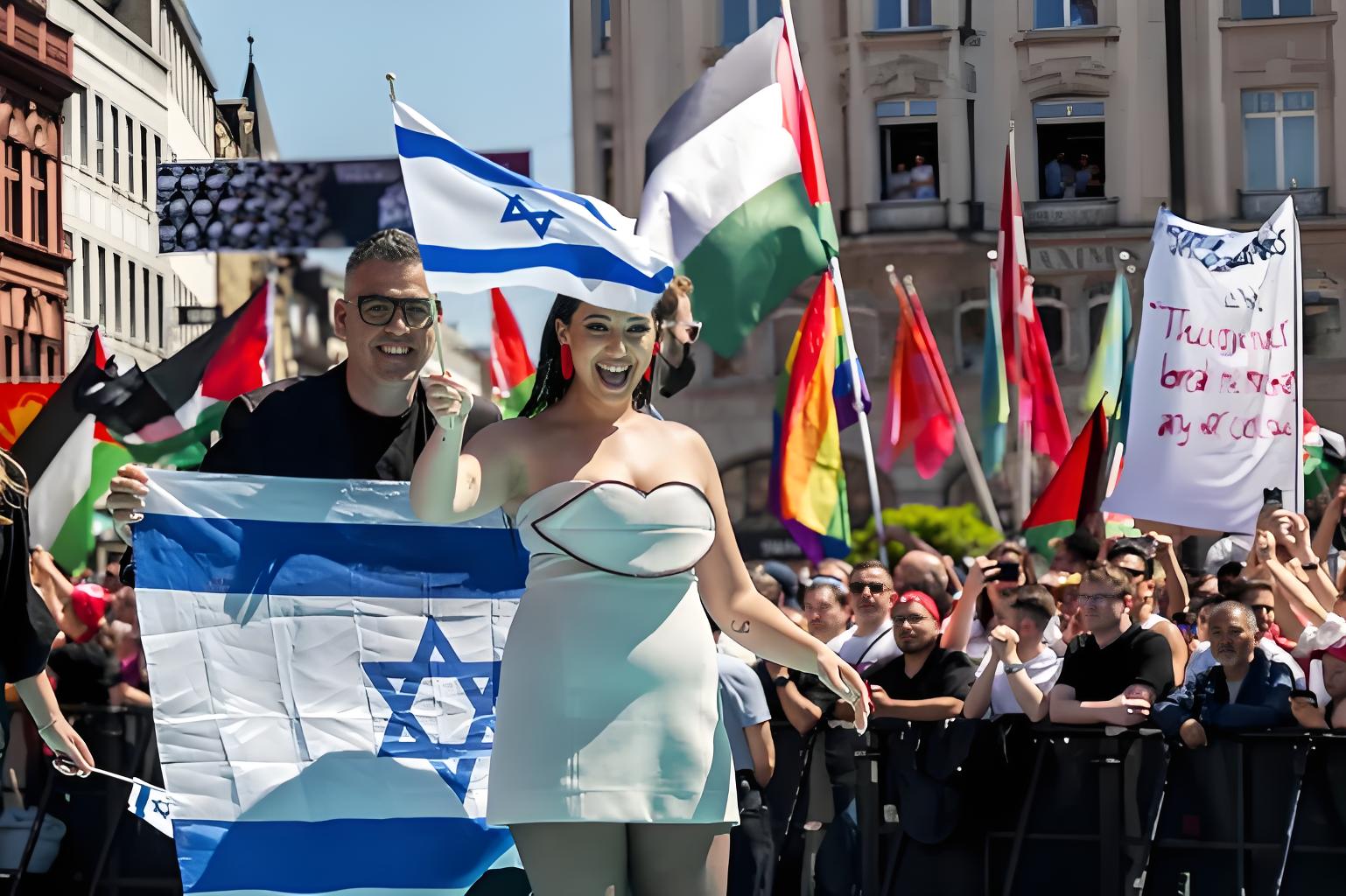
Israeli singer Yuval Raphael during the opening ceremony of the Eurovision Song Contest in Basel, Switzerland, on May 11.
BASEL, Switzerland — Tourists crossing Basel’s Mittlere Brücke bridge on Thursday paused to enjoy the spring sun, much as they have for centuries. This week, the Rhine River bridge—straddling borders with France and Germany—was lined with Eurovision Song Contest banners declaring, “United by Music.” But unity remains elusive in Basel and across Europe.

Spectators during the dress rehearsal of the Eurovision Song Contest in Basel on Wednesday.
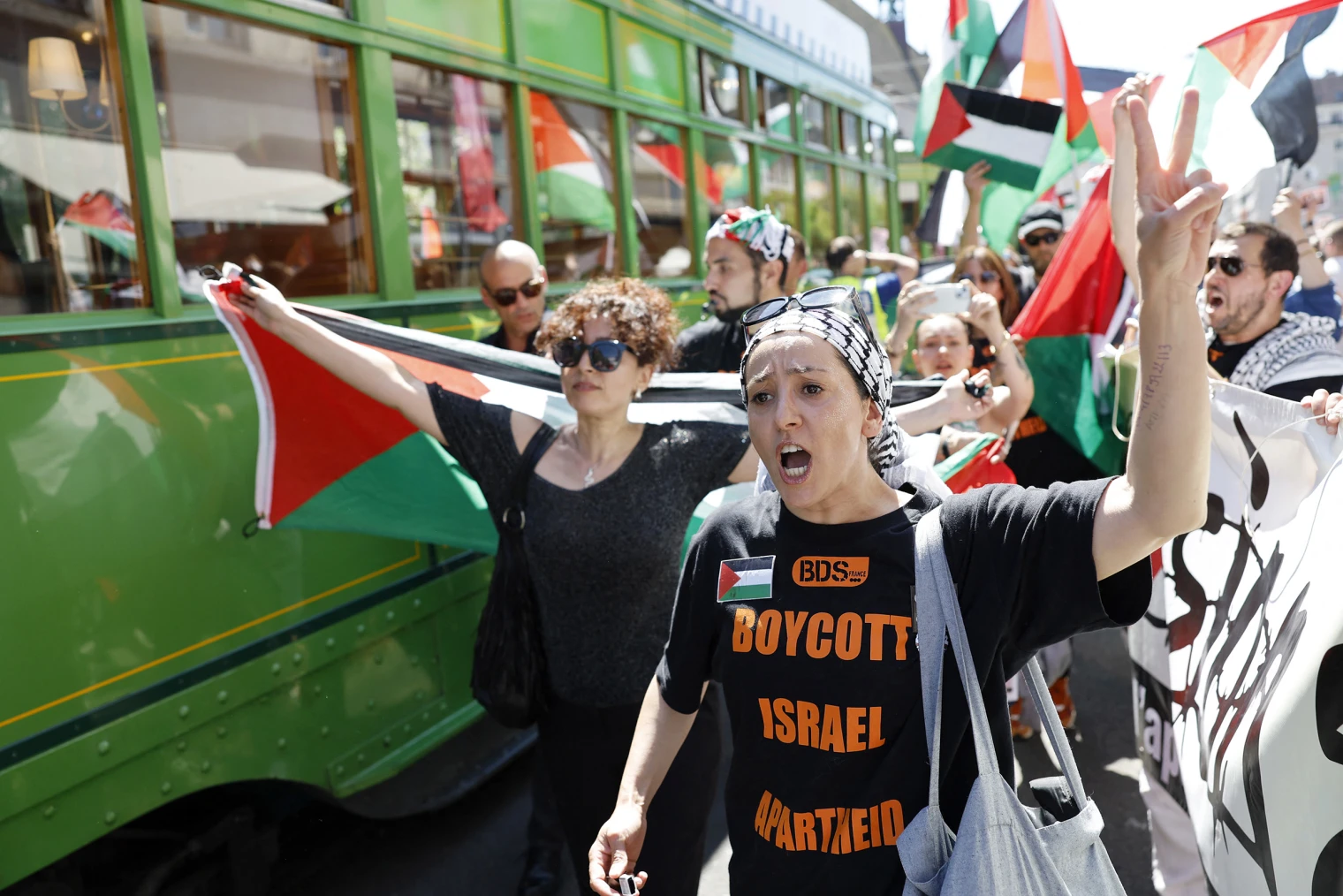
Pro-Palestinian activists during the Eurovision Song Contest opening ceremony in Basel, Switzerland, on May 11.
Editor: Robin
Related Content
Spain: Madrid Leader Ayuso's Rally Remarks on Family and Gender Spark Debate Ahead of November 29 Vote
UK: Annual Cancer Cases Among Trans People in England Could More Than Double Within a Decade, Study Finds
UK: Cisgender Male Boxer Disqualified Before U-19 World Championships Over Missed Genetic Sex Test

UK: Almost Half of LGBTQ+ Teens Face Online Blackmail, Including Threat of Outing
Russia: LGBTQ Christians Worship in Hiding Amid State Crackdown and Church Condemnation
UK: Home Secretary Shabana Mahmood Backs Ban on Police Marching in Pride Events in Uniform, Drawing Pushback From Senior Officers