
Taiwan’s Same-Sex Marriage at Six: Joys and Challenges of Diverse Families
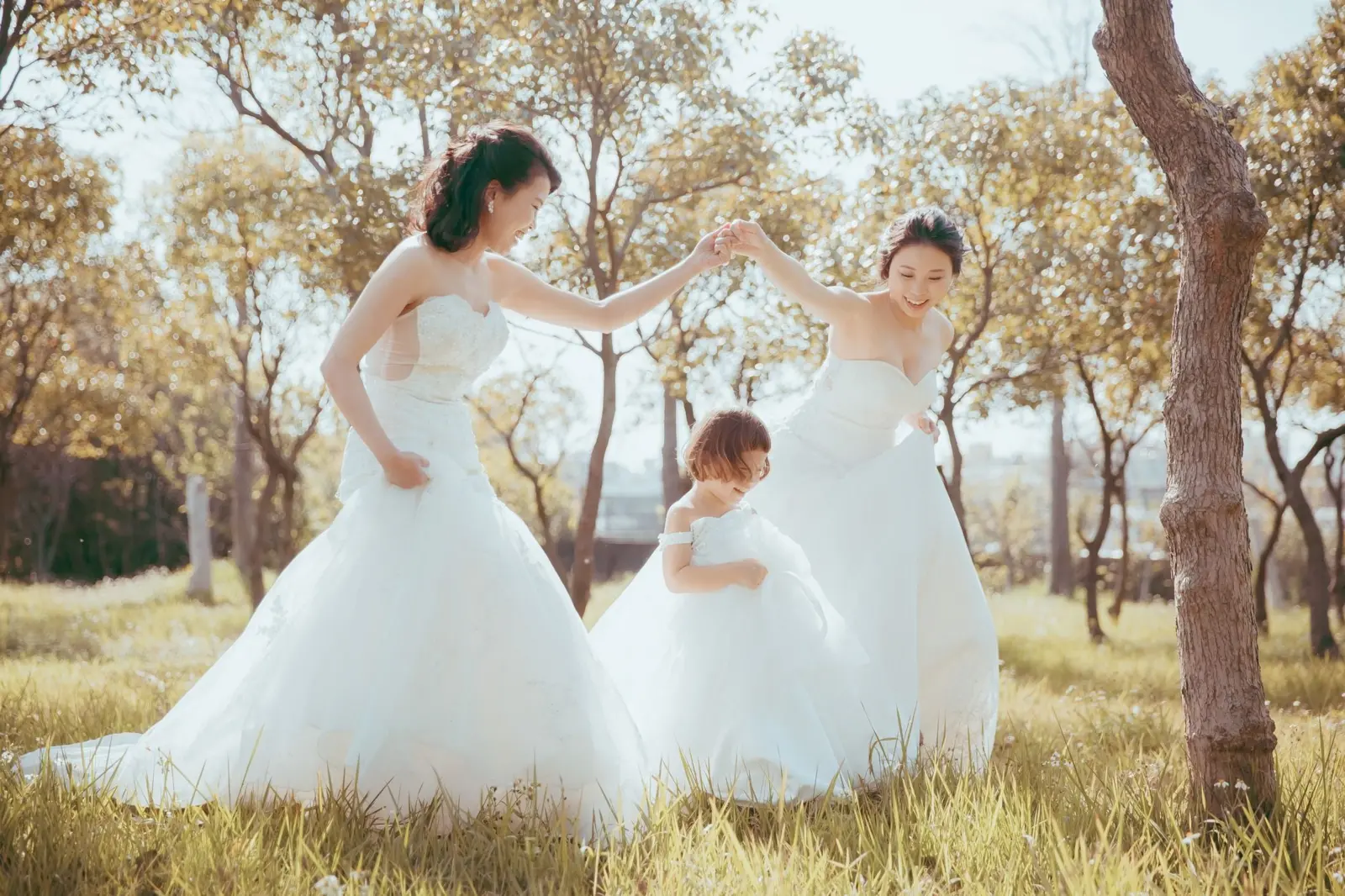
Wu Shaoqiao (first from right) met his current wife (first from left) after his first marriage ended and registered for marriage.
Since Taiwan legalized same-sex marriage in May 2019 as Asia’s first region to do so, its LGBTQ+ community has navigated the complexities of marital unions and separations over six years. Official data shows over 12,000 same-sex couples registered by 2023, with women comprising 72% of registrants, while divorces rose from 110 pairs in 2019 to 783 in 2023, reflecting the diversity of relationship trajectories.
Cases: Hope and Struggles in Marriage
Social Challenges: Closet Pressure and Cultural Stigma
Progress Toward Inclusivity
Editor: Robin
Related Content
Transgender Day of Remembrance: 273 trans people reported murdered worldwide in the past year, one every 32 hours
Global: Homosexuality Remains Illegal in 65 Nations, Down From Over 90 at Turn of Century
Philippines: House Panel Approves in Principle Bills Related to SOGIESC Legislation

South Korea: Entertainer Park Ji-yoon Rejects Infidelity Ruling, Stating Male Friend Involved Is Gay
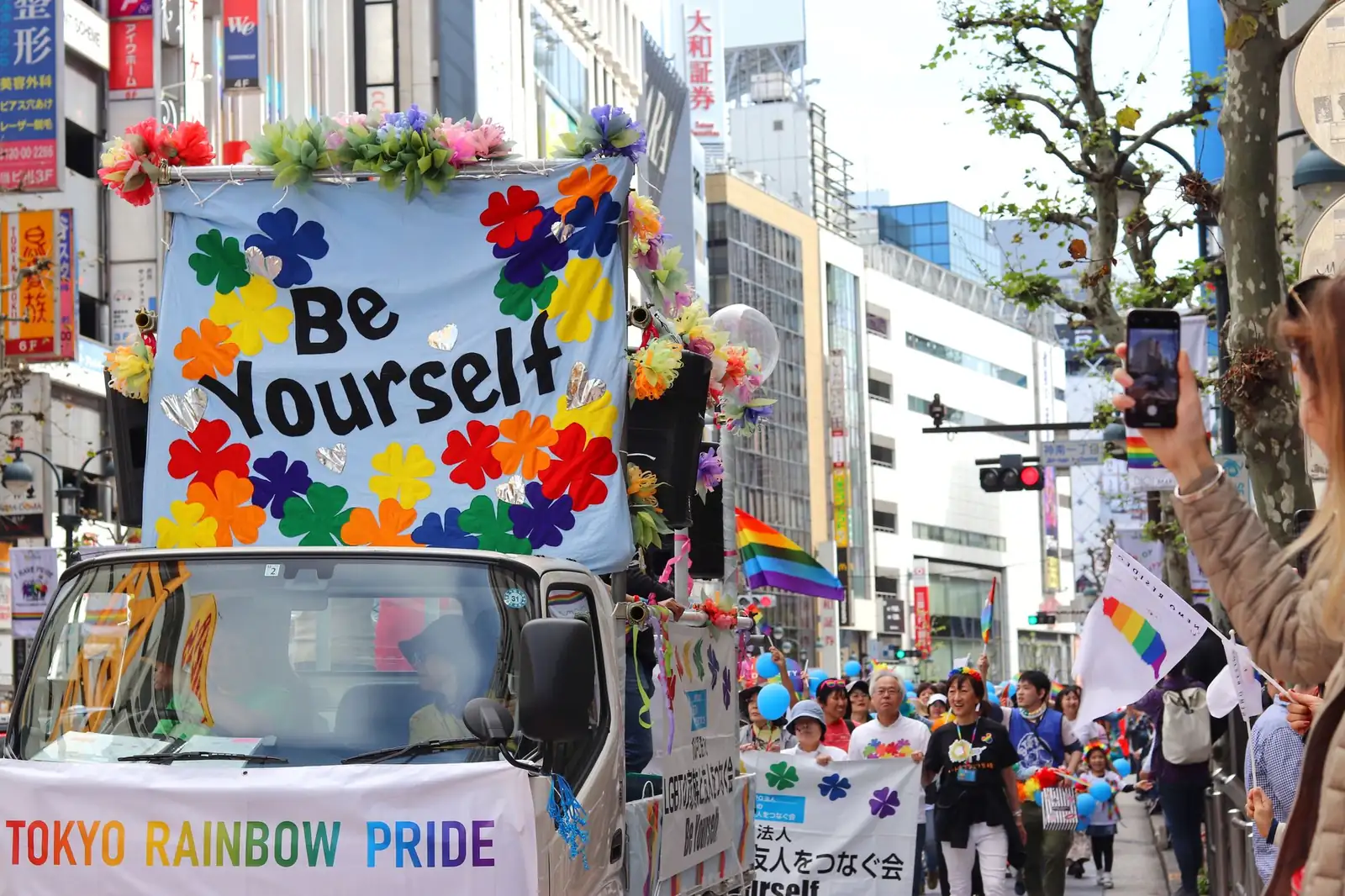
Japan: Kyushu Rainbow Pride 2026 Lights Up Fukuoka as Prefecture Promotes Partnership System

Japan: Two Fathers Redefine Family as Trans Man Postpones Surgery to Carry Children