
Glasgow Pride Bans Political Parties Over Gender Ruling Backlash
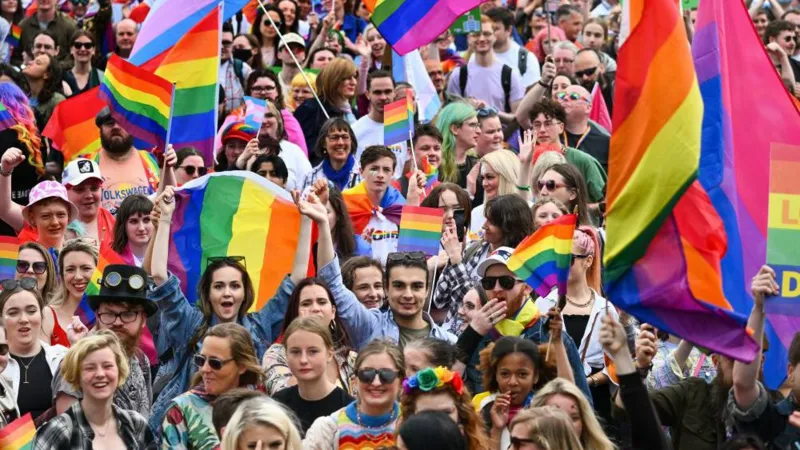
Glasgow Pride attracts tens of thousands of people for the annual celebration
Glasgow Pride organizers have banned political parties from this year’s festival in response to perceived inaction following a recent Supreme Court gender ruling. The decision bars parties from registering stalls, hosting speeches, or participating in the annual LGBTQ+ march on July 19, after the UK’s highest court defined "woman" as biological sex under equality law.
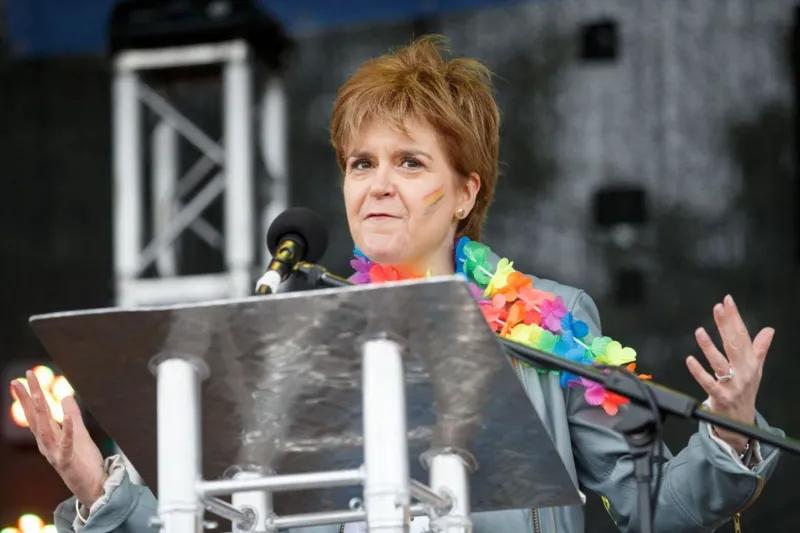
Politicians including former First Minister Nicola Sturgeon have previously been welcome at Glasgow Pride
European Editorial Office: John
Related Content
Spain: Madrid Leader Ayuso's Rally Remarks on Family and Gender Spark Debate Ahead of November 29 Vote
UK: Annual Cancer Cases Among Trans People in England Could More Than Double Within a Decade, Study Finds

UK: Cisgender Male Boxer Disqualified Before U-19 World Championships Over Missed Genetic Sex Test

UK: Almost Half of LGBTQ+ Teens Face Online Blackmail, Including Threat of Outing
Russia: LGBTQ Christians Worship in Hiding Amid State Crackdown and Church Condemnation
UK: Home Secretary Shabana Mahmood Backs Ban on Police Marching in Pride Events in Uniform, Drawing Pushback From Senior Officers