
Survey on LGBTQ Students' Campus Life in the U.S.: Nearly Half Feel Unsafe, Support Systems Hold the Key
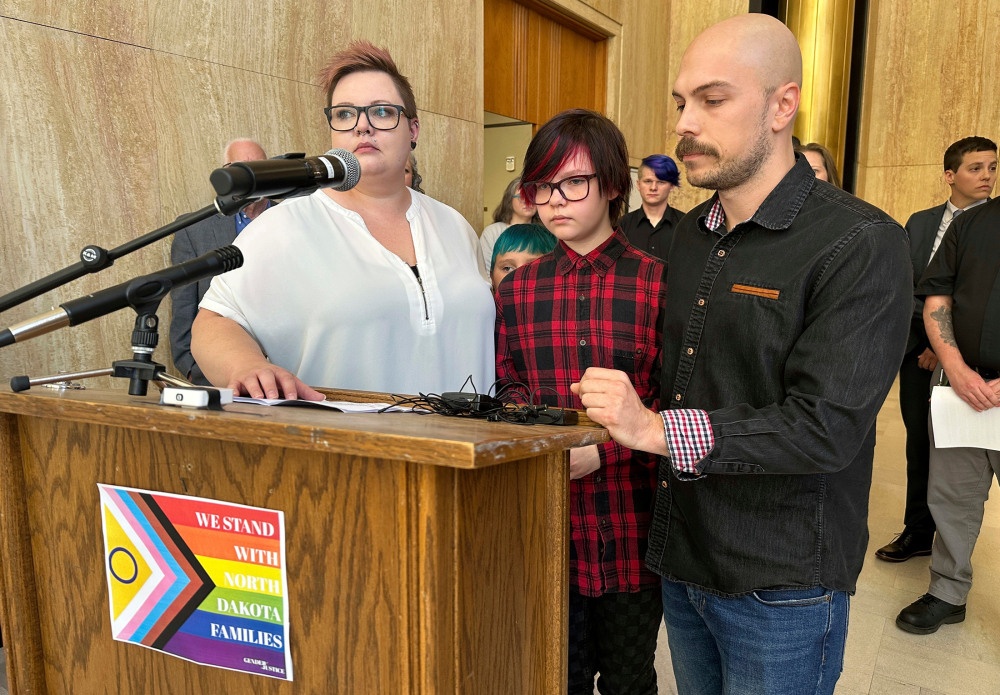
Devon and Robert Dolney stand with their child, Tate, at the state Capitol in Bismarck, N.D., in 2023.
Ella, a 17-year-old transgender girl attending high school in Florida, keeps an LGBTQ-themed book that was removed from the school library in her backpack year-round. "I dare not mention my gender identity in class, and someone always deliberately mispronounces my name during breaks," Ella said. Her experience is not an exception. A study covering 13,000 American adolescents aged 13-18 has revealed the widespread predicament of LGBTQ students on campus.
Jointly conducted by the Human Rights Campaign and the University of Connecticut, the study shows that 46.1% of LGBTQ students feel unsafe at school, with the proportion reaching as high as 54.9% among transgender students. This sense of insecurity stems from daily discrimination and harassment: 63.8% of respondents reported inappropriate treatment by teachers or staff, including implicit exclusion such as "being assumed to be non-LGBTQ" and "forced gender segregation". More worryingly, this campus environment directly undermines adolescents' mental health — 55% of LGBTQ students have depressive symptoms, the proportion rises to 60% among transgender students, and the incidence of anxiety symptoms reaches 68.2%.
The lack of campus support resources exacerbates this crisis. In the poorest areas of England, 39% of LGBTQ students who applied for mental health support are still waiting, compared with 28% in wealthier areas. The situation is equally severe in the United States, where 56% of LGBTQ youth cannot access necessary mental health care due to various barriers. Researchers found that non-binary students face greater difficulties: 74% of non-binary+ youth experience high levels of psychological distress, far higher than 56% of females and 32% of males.
Notably, effective support systems can significantly improve the situation. A study by Boston College shows that LGBTQ students have a much lower risk of depression in schools with active Gay-Straight Alliances (GSA). These clubs provide social support and identity space for students through weekly communication activities and policy advocacy discussions, narrowing the depression gap between LGBTQ students and heterosexual students by the end of the school year. Family support is also crucial: transgender adolescents whose correct pronouns and names are affirmed at home have a significantly lower probability of testing positive for depression and anxiety.
However, the popularization of support resources still faces obstacles. In some areas of the United States, a large number of LGBTQ-themed books have been banned from campus libraries — Florida alone restricted 5,107 such books between July 2021 and December 2023. This information blockade makes it difficult for many students to obtain resources needed for self-identity: 76% of LGBTQ students have never come out to teachers, and 73% have not come out to their parents, living in a state of "disguise" for a long time.
North American Editorial Office: Robin
Related Content
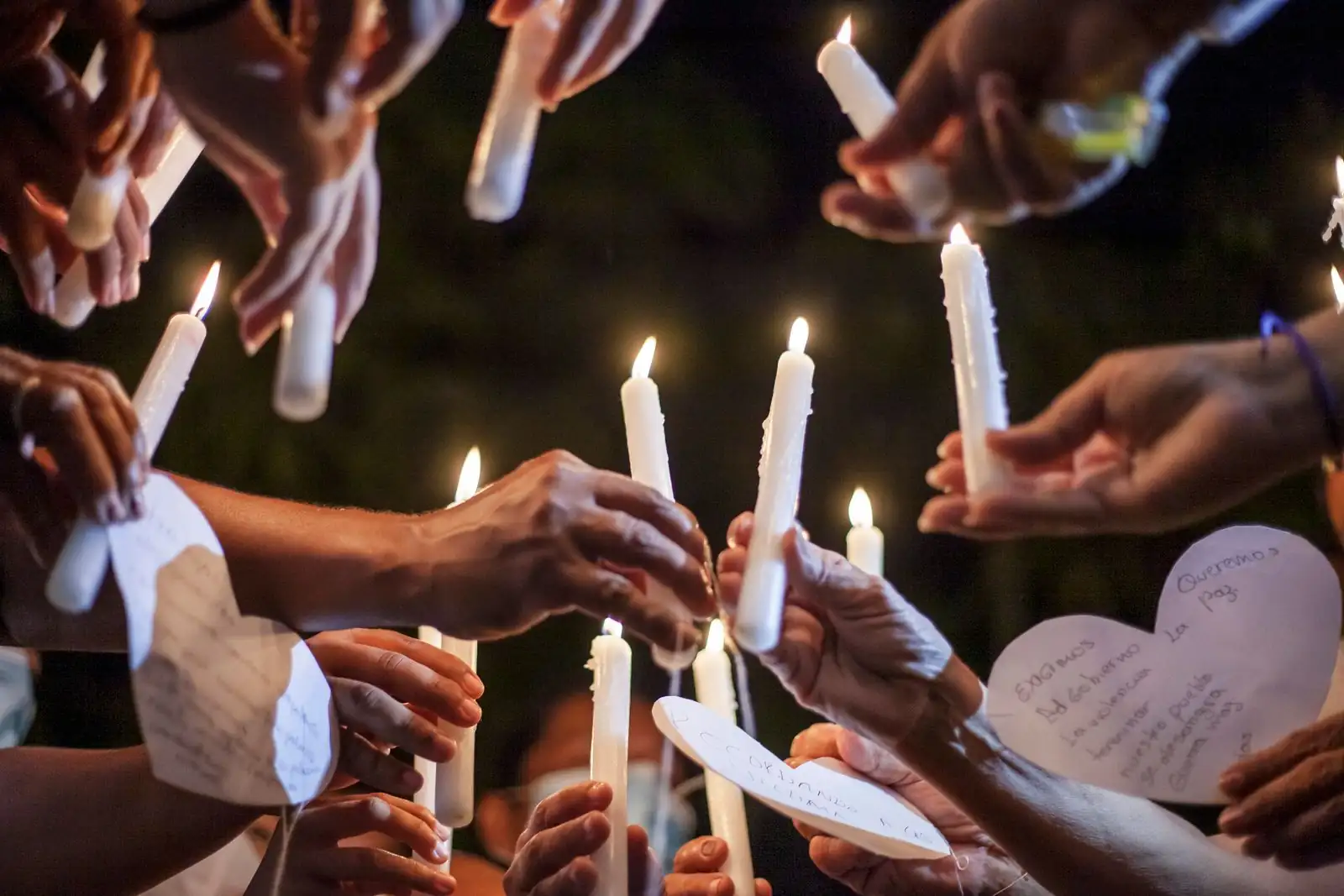
US: Families and Friends Turn to Crowdfunding on Transgender Day of Remembrance to Bury and Honor Trans Loved Ones

US: Actress Abbi Jacobson Says She and Wife Pretend to Be Sisters in Certain States Out of Safety Concerns

US: Civil Rights Attorney Launches Free 'Trans Data Initiative' Archive Tracking 8,900 Bills and Over 500 Court Cases

US: Grand Jury Indicts Maximum-Security Prisoner on First-Degree Murder Charge in Death of Hawaii Trans Woman Inmate
US: New Massachusetts Nonprofit Offers Free Telehealth Trans Youth Care Without Federal Funding
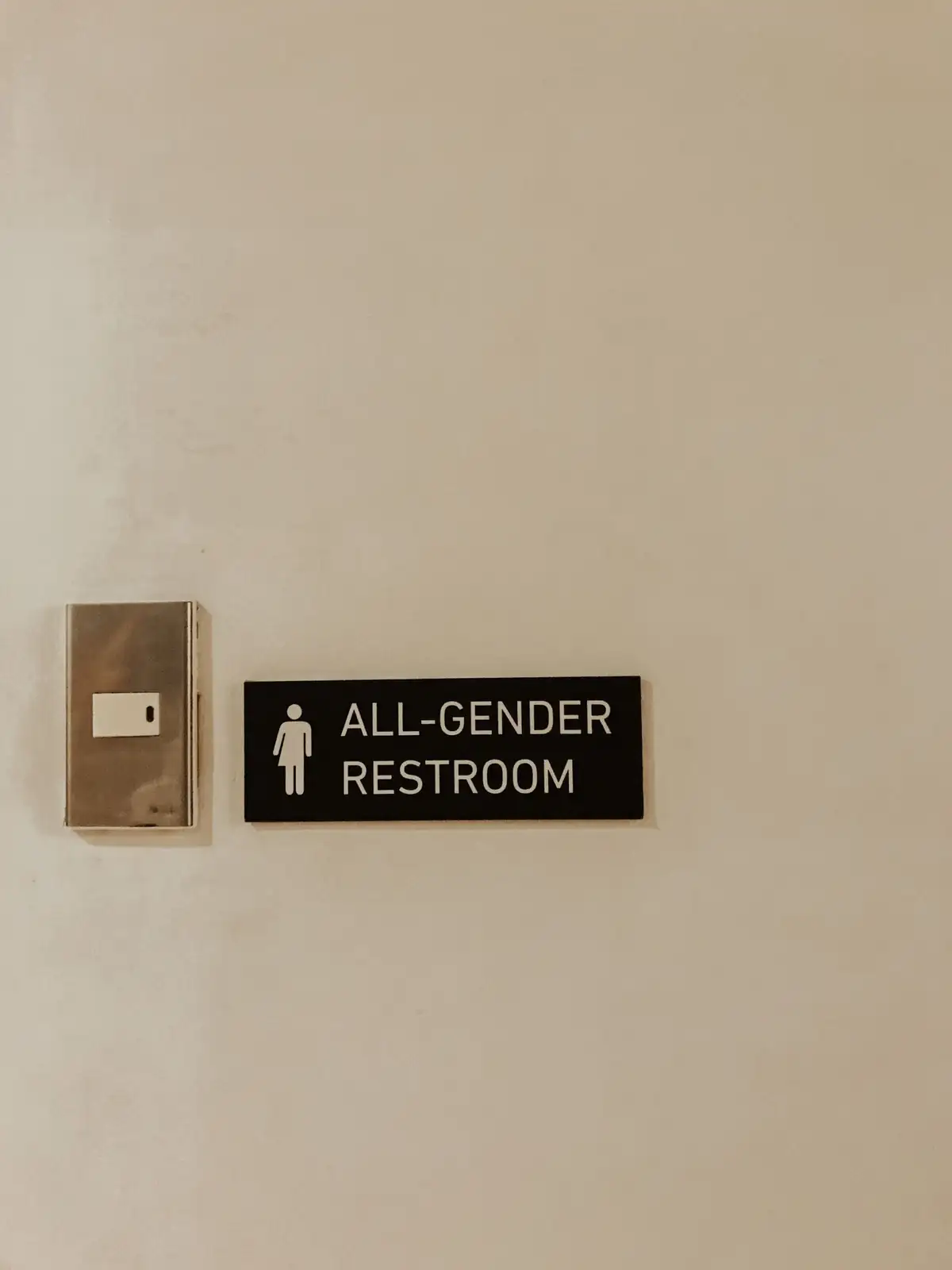
US: Transgender Teen Testifies in Kentucky Court Against School Restroom and Pronoun Restrictions Under SB 150