
Texas, USA, requires the removal of rainbow zebra crossings, sparking controversy over safety and funding
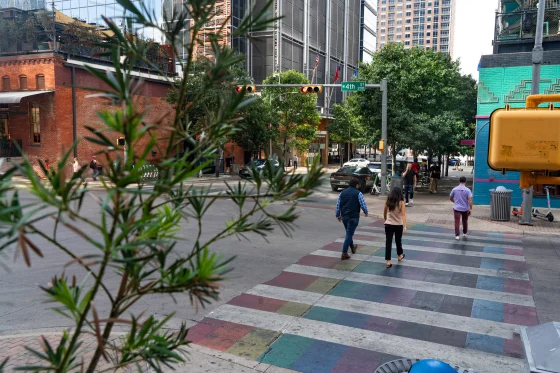
Pedestrians walk across the faded rainbow crosswalk on 4th Street in Austin, Texas, on Thursday.
A government official in the U.S. state of Texas has recently called for the removal of rainbow crosswalks and other symbols representing LGBTQ pride from public roads in the state, citing safety concerns and the alleged misuse of taxpayer funds.
In a statement, the official said that residents of Texas expect taxpayer money to be used wisely, rather than to promote specific ideologies on the state's roadways. Meanwhile, he has directed the Texas Department of Transportation to ensure that all cities and counties across the state "remove all elements with specific ideologies from the roads" within 30 days. The statement noted that any city failing to comply with this requirement could face the risk of having state and federal road funds withheld or denied, as well as the suspension of agreements with the state transportation department. The official emphasized that to ensure the safe travel of residents and avoid distractions, a safe and consistent transportation network must be maintained throughout Texas.
However, advocates for rainbow crosswalks hold a different view. They point out that the rainbow crosswalks in the Oak Lawn neighborhood of Dallas have always been funded privately. Valerie Jackson, chair-elect of the North Texas LGBTQ Chamber of Commerce, stated that no taxpayer funds were used to build these crosswalks, and even if they were eligible to apply for public funds, they chose not to do so. According to Jackson, the project's funds came from private donations and community events such as wine walks. Additionally, project organizers collaborated with the Texas Department of Transportation and the City of Dallas to ensure that the design of the crosswalks met the state's safety standards. Jackson said that, like the official who made the request and relevant departments, they believe public safety is of utmost importance, and over the past five years, they have never advanced the project at the expense of endangering public safety.
Annise Parker, one of the first openly gay mayors among major U.S. cities and former mayor of Houston, believes that there are more important matters worthy of attention at present, rather than focusing on removing rainbow crosswalks. She stated that she trusts businesses and residents in Texas will respond to this request by proudly displaying rainbow flags, while continuing to focus on truly important issues. Currently, Parker is running for Harris County Judge.
Jacob Reyes, a spokesperson for advocacy groups GLAAD and Texas Latino Pride, argued that the directive put forward by the official is merely a distraction, not aimed at the so-called "art issue". Reyes said that this approach is clearly a way to divert attention and avoid addressing matters that truly require priority, such as investment in public education and genuine investment in public infrastructure.
Notably, the official's claim is consistent with the guidelines issued by the U.S. Department of Transportation in July under the "SAFE ROADS Initiative". This initiative aims to create safe arterial roads for everyone through reliable operations and distraction-reducing strategies. The Texas Department of Transportation cited this initiative in a letter sent to various cities and counties this week, which clearly states: "Unless they serve a direct traffic control or safety function, decorative crosswalks, murals, or markings conveying works of art and other messages are prohibited on travel lanes, shoulders, intersections, and crosswalks. This prohibition includes the use of symbols, flags, or other markings that convey any message."
U.S. Transportation Secretary Sean Duffy, in response to related reports, expressed gratitude for the official's request and emphasized that "roads are for safety, not for conveying specific ideologies". He also posted on the social media platform X, stating that he encourages officials in other U.S. states to take the same approach.
North American Editorial Office: Robin
Related Content
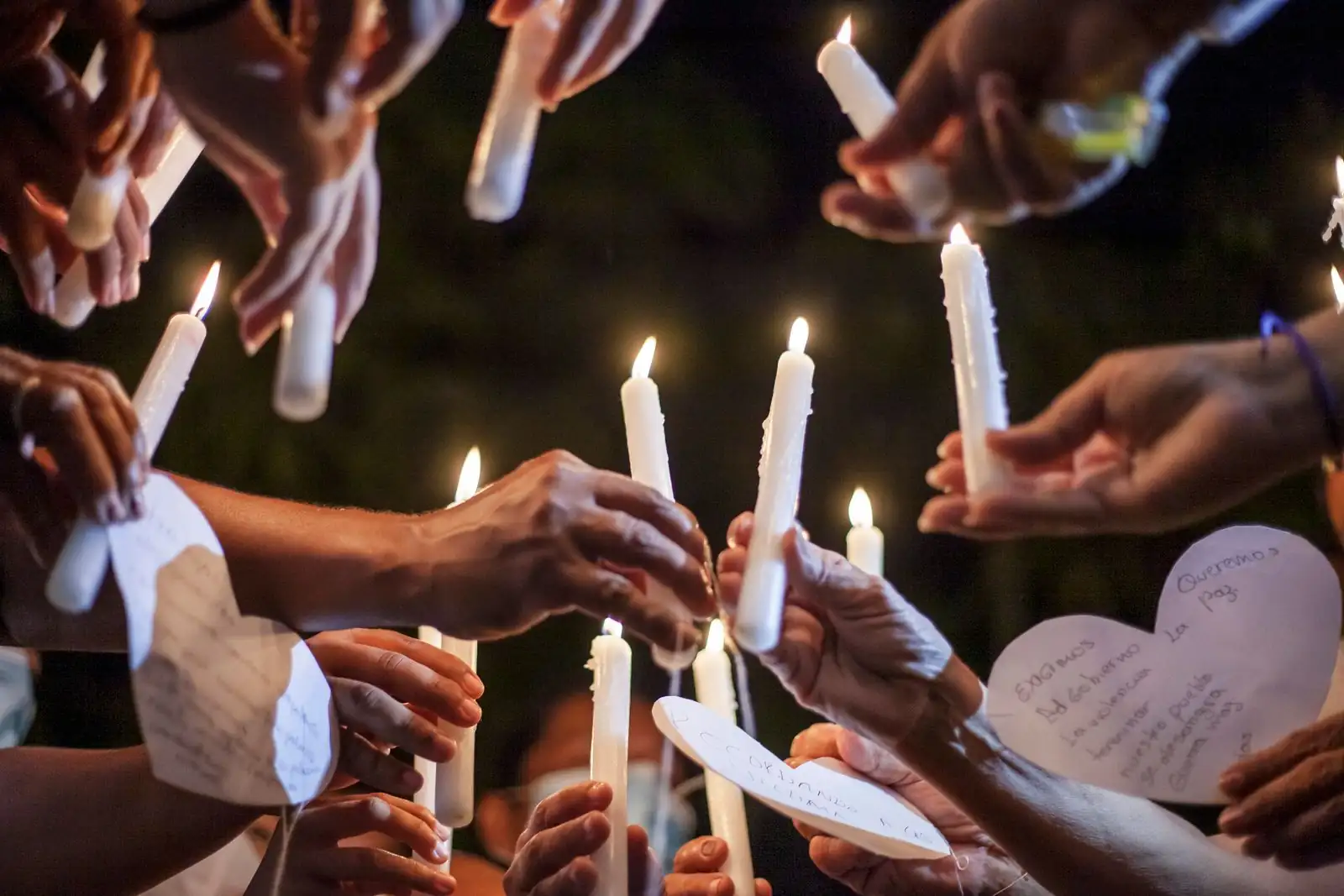
US: Families and Friends Turn to Crowdfunding on Transgender Day of Remembrance to Bury and Honor Trans Loved Ones
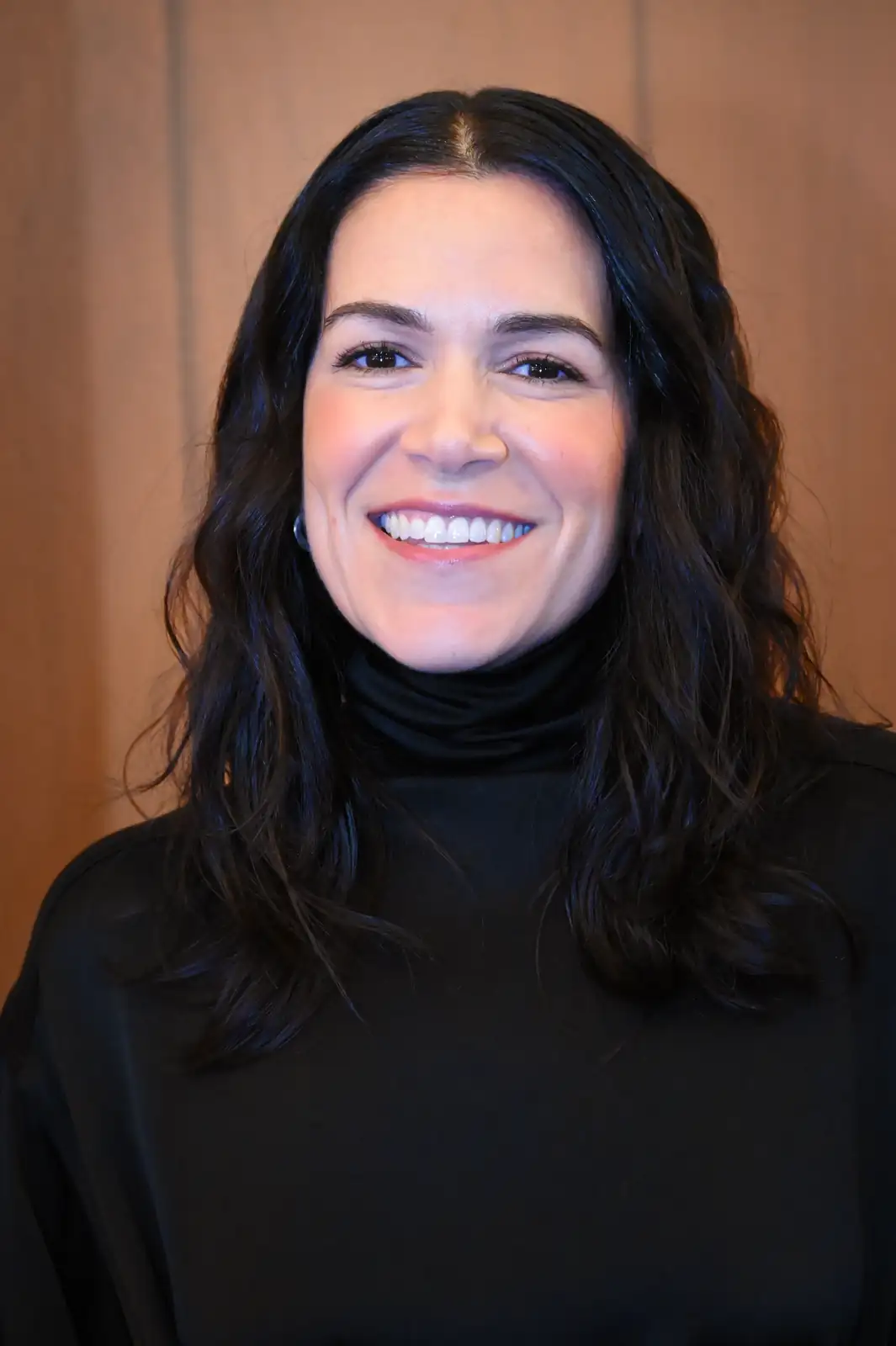
US: Actress Abbi Jacobson Says She and Wife Pretend to Be Sisters in Certain States Out of Safety Concerns

US: Civil Rights Attorney Launches Free 'Trans Data Initiative' Archive Tracking 8,900 Bills and Over 500 Court Cases
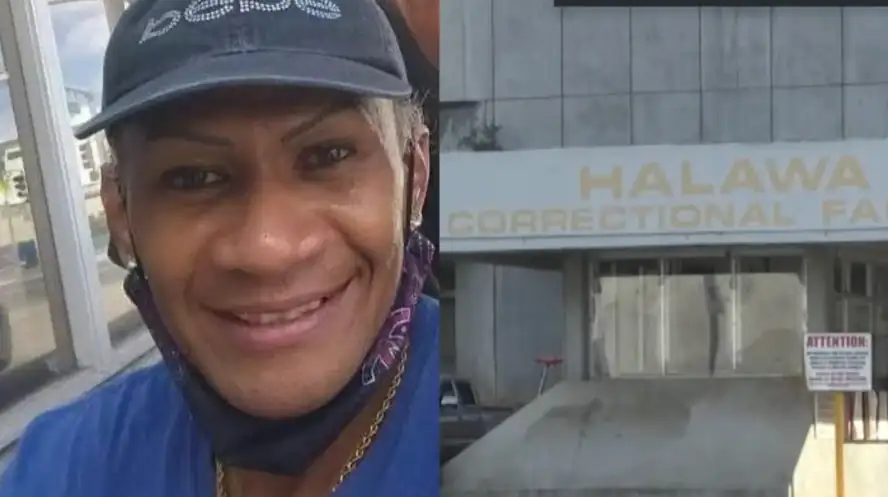
US: Grand Jury Indicts Maximum-Security Prisoner on First-Degree Murder Charge in Death of Hawaii Trans Woman Inmate
US: New Massachusetts Nonprofit Offers Free Telehealth Trans Youth Care Without Federal Funding
US: Transgender Teen Testifies in Kentucky Court Against School Restroom and Pronoun Restrictions Under SB 150