
Unveiling a Dark History: Survivors Recount Trauma of "Electric Shock Therapy" Targeted at LGBTQ+ Individuals
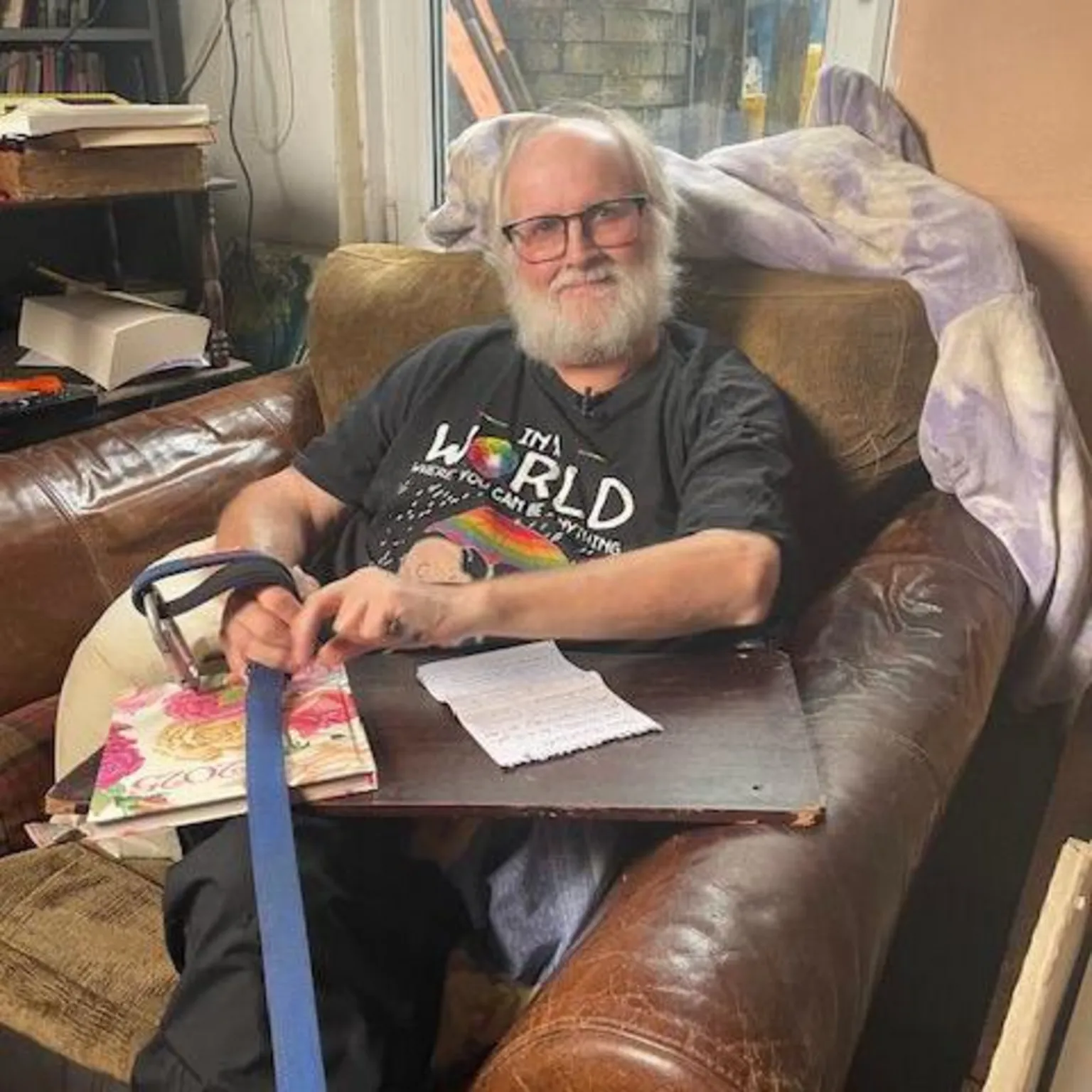
Jeremy Gavins was referred by his GP to a hospital, where he was given electric shock treatment aged 17 that he says left him unconscious
A profound historical investigation has brought to light a heartbreaking chapter in the nation's healthcare history. Between 1965 and 1973, at least 250 young individuals were subjected to excruciating electric shock treatments in public hospitals due to their sexual orientation or gender identity. This practice, known as Electric Shock Aversion Therapy (ESAT), aimed to forcibly change a person's LGBTQ+ identity, leaving survivors with decades of physical and psychological trauma.
Jeremy Gavins, a 72-year-old survivor, described his nightmare to the press. During his treatment as a teenager, the intensity of the shocks was so severe that he lost consciousness and woke up in a hospital bed three days later. Gavins recalled that the physical agony was as heavy as the mental torment of being labelled a "pervert" with a "disease." Another survivor, Pauline Collier, 80, vividly remembered electrodes being taped to her arms, followed by shocks that made her flinch and sweat uncontrollably.
The investigation reveals that many victims at the time were referred to hospitals by teachers, priests, or GPs. Shockingly, some survivors stated they never gave informed consent and were explicitly instructed not to tell their parents about the treatment. While the British Psychological Society (BPS) held such views at the time, the organisation has since abandoned and condemned these practices as unethical and harmful.
That country's government has now committed to launching a formal investigation into these historic medical practices. Lord Chris Smith, the nation's first openly gay MP, is leading the call for a formal apology from the government and the health service. Lord Smith emphasized, "The barbaric acts performed under the guise of 'treatment' must be stopped. Every individual's dignity must be protected by law."
Currently, the government has explicitly stated its commitment to bringing forward a full, trans-inclusive ban on conversion practices. A government spokesperson noted, "All people deserve to live freely and without fear, shame, or discrimination." Despite opposition to such a ban from certain religious groups, the medical and academic communities have reached a broad consensus against these practices.
Academics at Manchester University expressed deep regret and sorrow in a statement regarding trials conducted at Crumpsall Hospital. The university acknowledged that the medical attitudes of the 1960s were unethical and destructive, and being part of that environment only added to the trauma of those who endured it. Today, major health organisations, including the Royal College of Psychiatrists, have agreed upon a collective memorandum of understanding to oppose conversion therapy and foster a safe and supportive healthcare environment for all.
European Editorial Office: John
Related Content

Spain: Madrid Leader Ayuso's Rally Remarks on Family and Gender Spark Debate Ahead of November 29 Vote
UK: Annual Cancer Cases Among Trans People in England Could More Than Double Within a Decade, Study Finds

UK: Cisgender Male Boxer Disqualified Before U-19 World Championships Over Missed Genetic Sex Test

UK: Almost Half of LGBTQ+ Teens Face Online Blackmail, Including Threat of Outing
Russia: LGBTQ Christians Worship in Hiding Amid State Crackdown and Church Condemnation
UK: Home Secretary Shabana Mahmood Backs Ban on Police Marching in Pride Events in Uniform, Drawing Pushback From Senior Officers