
US: Lawmaker Charged With Fraud After Pride Flag Ban
This image is for illustrative purposes only and is not directly related to this story. Image source: Wikimedia Commons
On September 28, 2026, the Utah Attorney General's Office filed criminal charges in 3rd District Court against Republican state Representative Trevor Lee, accusing him of forging documents to obtain a $1 million home loan. Hours after the charges were filed, Lee submitted his resignation to the House speaker, effective immediately.
The charges comprise two second-degree felonies (communications fraud, mortgage fraud) and two third-degree felonies (forgery, possession of a forgery device). Prosecutors allege that to secure a $1 million loan issued by Kind Lending in November 2025, Lee submitted a forged Enevive employment contract, a loan application overstating his annual income, and a high-paying job offer letter from a company where he never actually worked. Investigators say Lee admitted in an interview that he personally forged the chief executive's signature. The property at issue is his newly built home in Layton.
In his resignation letter, Lee wrote that "personal circumstances that require my attention" left him unable to continue serving his constituents. Notably, Lee had already lost the June Republican primary, and his term had been scheduled to end in January 2027. Prosecutors stress these are charges, not convictions. Lee, 35, had represented Utah's 16th House District since 2023.
In 2025, Lee's HB77 made Utah the first US state to ban Pride flags in public schools and government buildings, becoming law without the governor's signature on grounds of "political neutrality." Now the lawmaker who pushed the ban in the name of neutrality has resigned over allegedly submitting false information to a lender. For the LGBTQ community, the flag ban does not fall with its sponsor — once enacted, a law outlives its author. But the case is a reminder that a legislator's personal conduct and legislative agenda are separate matters; public debate should focus on what the law itself means for free expression and equal protection.
North American Editorial Office: Liam Smith
Related Content
US: Families and Friends Turn to Crowdfunding on Transgender Day of Remembrance to Bury and Honor Trans Loved Ones
US: Actress Abbi Jacobson Says She and Wife Pretend to Be Sisters in Certain States Out of Safety Concerns

US: Civil Rights Attorney Launches Free 'Trans Data Initiative' Archive Tracking 8,900 Bills and Over 500 Court Cases
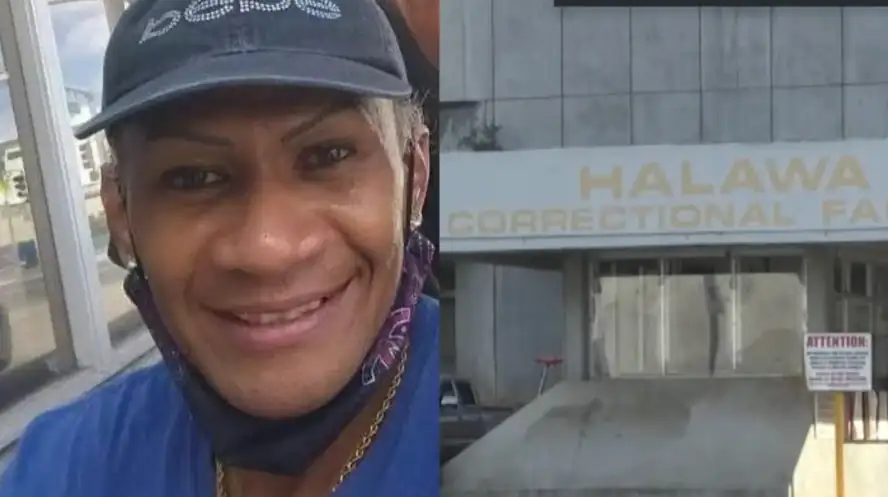
US: Grand Jury Indicts Maximum-Security Prisoner on First-Degree Murder Charge in Death of Hawaii Trans Woman Inmate
US: New Massachusetts Nonprofit Offers Free Telehealth Trans Youth Care Without Federal Funding
US: Transgender Teen Testifies in Kentucky Court Against School Restroom and Pronoun Restrictions Under SB 150