
Türkiye: US Platforms Face Scrutiny Over LGBTQ+ Censorship
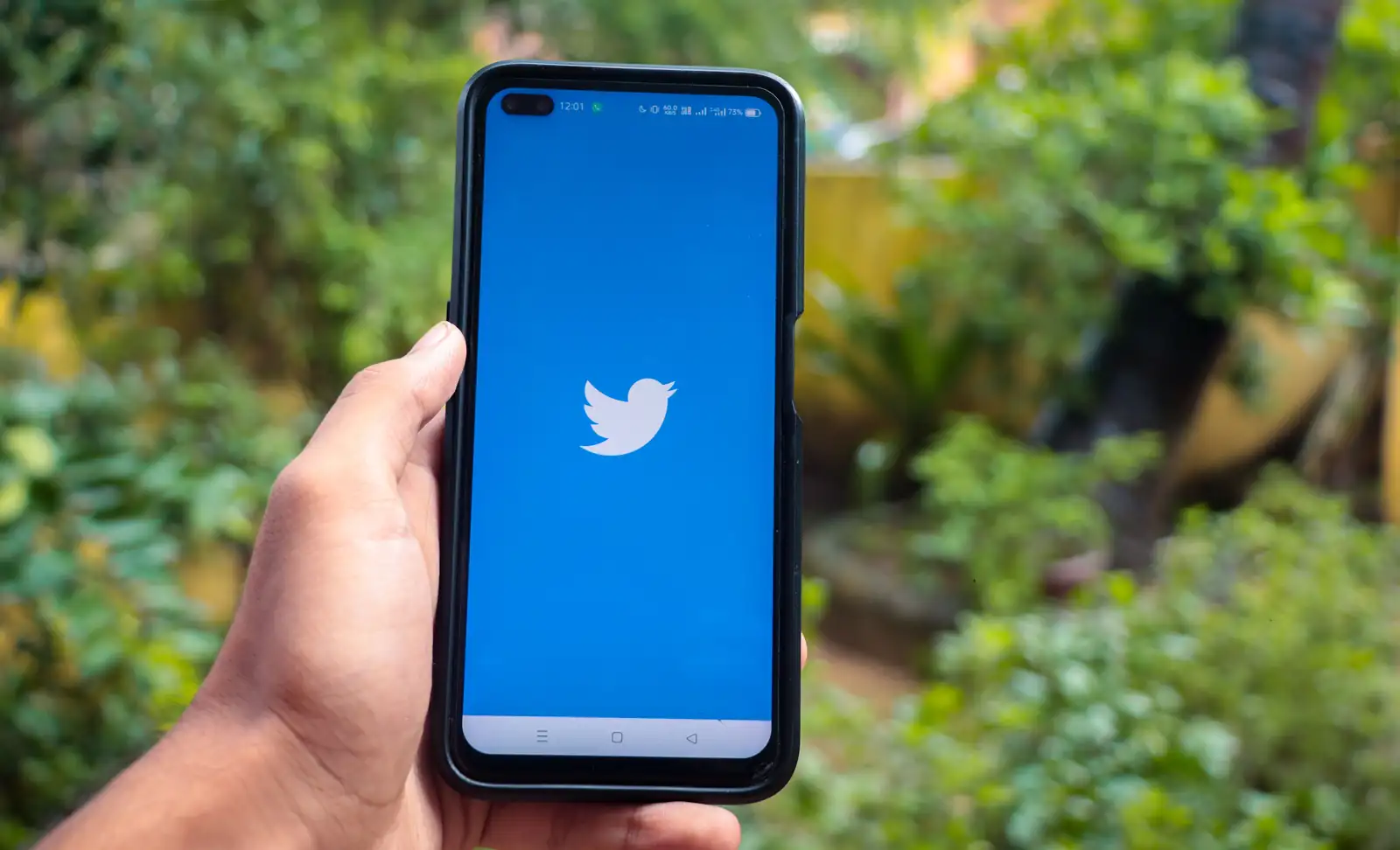
This image is for illustrative purposes only and is not directly related to this story, Image source: Sanket Mishra (Pexels)
Türkiye intensified online restrictions in September 2026, affecting LGBTQ+ organisations, journalists, media outlets and human rights groups. In a commentary published by The Cipher Brief, researcher Helin Unal criticised US social media companies for complying with Turkish authorities’ blocking demands, arguing that their actions make it harder for marginalised communities to communicate, organise and share information.
The Freedom of Expression Association of Türkiye reported that authorities and courts ordered restrictions on at least 1,270 X accounts in September, with approximately 90% made inaccessible to users inside the country. The organisation said the affected accounts included news outlets, LGBTQ+ groups, women’s rights organisations, human rights advocates and academics. The restrictions came amid a broader operation targeting LGBTQ+ organisations and activists, with some websites and social media accounts also blocked.
Unal argues that platforms’ compliance can extend government censorship into online spaces used by independent journalists and activists. X has said it challenges orders in court, while warning that refusing to comply could put its wider service in Türkiye at risk. The commentary also notes that US-based accounts, including those associated with LGBTQ+ media outlets Gayety and Pride, were affected. The specific legal basis for individual restrictions and the platforms’ handling of each order require further examination of publicly available records.
Background and analysis: Since the failed coup attempt in 2016, the Turkish government has expanded its influence over the media and online information environment. In September 2026, an operation described as “My Family Is Safe” targeted LGBTQ+ organisations and activists, alongside a wave of account restrictions and arrests. Monitoring groups and human rights organisations warn that such measures can encourage self-censorship and reduce public access to information about marginalised communities. The controversy raises questions about whether platforms adequately scrutinise blocking orders and how they should balance local legal obligations with their responsibilities to protect freedom of expression.
European Editorial Office: Lucas Bakke
Source: Compiled from The Cipher Brief commentary, the Freedom of Expression Association and Human Rights Watch
References
Original commentary, The Cipher Brief: https://www.thecipherbrief.com/
Freedom of Expression Association: https://ifade.org.tr/en/press-releases-announcements/censorship-wave-becomes-a-tsunami-in-september-at-least-1270-x-accounts-blocked-in-one-month-now-engelliweb-is-targeted/
Human Rights Watch: https://www.hrw.org/news/2026/10/12/turkiye-end-internet-censorship
Related Content
Spain: Madrid Leader Ayuso's Rally Remarks on Family and Gender Spark Debate Ahead of November 29 Vote
UK: Annual Cancer Cases Among Trans People in England Could More Than Double Within a Decade, Study Finds

UK: Cisgender Male Boxer Disqualified Before U-19 World Championships Over Missed Genetic Sex Test
UK: Almost Half of LGBTQ+ Teens Face Online Blackmail, Including Threat of Outing
Russia: LGBTQ Christians Worship in Hiding Amid State Crackdown and Church Condemnation
UK: Home Secretary Shabana Mahmood Backs Ban on Police Marching in Pride Events in Uniform, Drawing Pushback From Senior Officers