
Brazil: Outrage as Police Release Far-Right Suspect Who Stabbed Lesbian Woman During Election
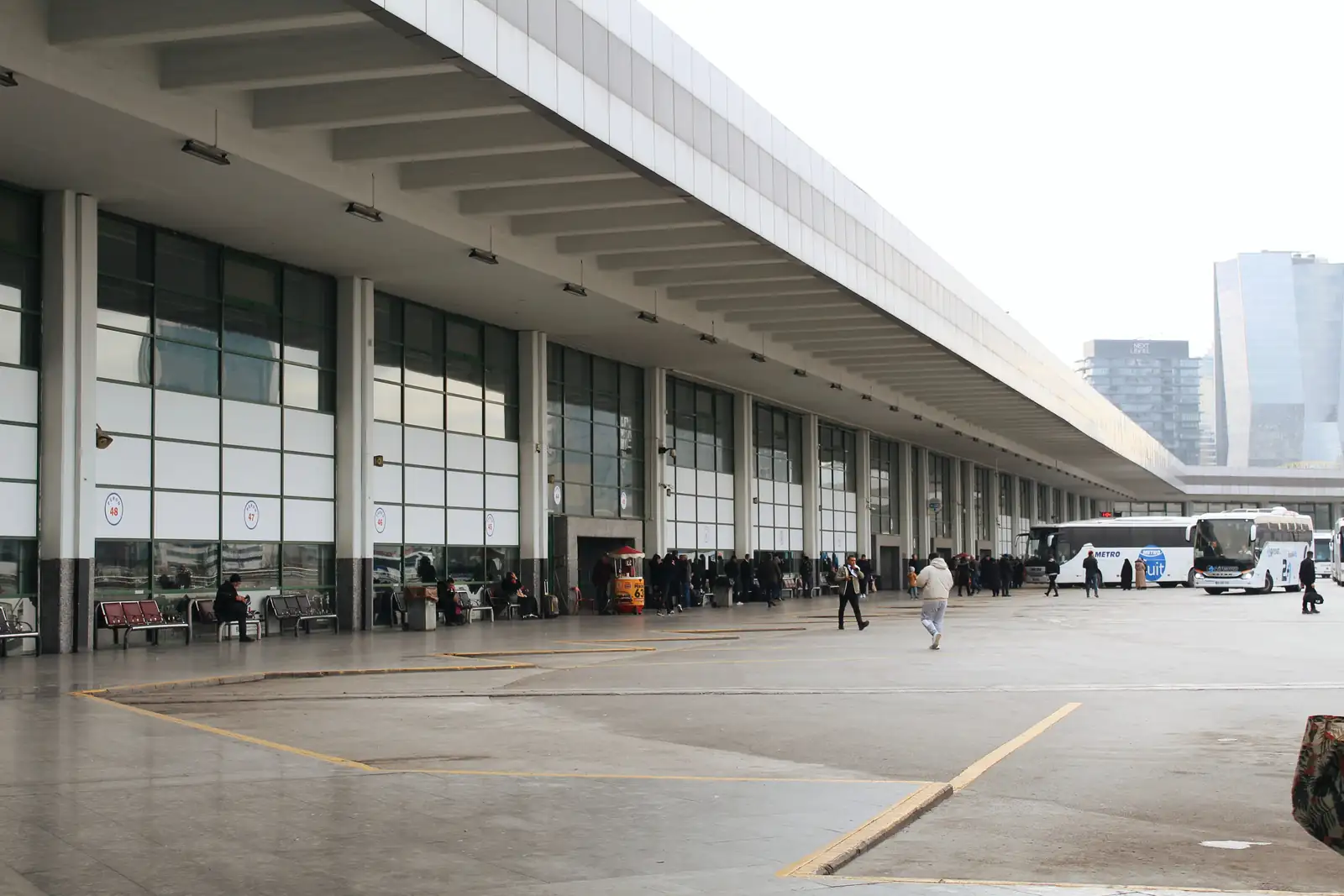
This image is for illustrative purposes only and is not directly related to this story. Image source: Berna Elif
In late October 2026, during the second round of Brazil's presidential elections, a violent knife attack targeting a lesbian woman occurred in São Paulo. According to a joint statement by the local equality group "Livres Iguais" and an anti-discrimination institute, a 35-year-old lesbian was subjected to unprovoked harassment and stabbed by a far-right supporter inside the Tietê Bus Terminal (Terminal Rodoviário do Tietê). The subsequent release of the suspect by the police has sparked widespread outrage.
According to witness and victim accounts, the attack took place on Sunday, October 25. The victim was waiting for her partner to finish work when a 66-year-old male stranger approached her, repeatedly shouting "Bolsonaro 22" (a reference to the candidate's electoral number) and provoking her. After the victim asked him to back away, the situation rapidly escalated into an argument and threats. Police information revealed that the suspect allegedly spat on the victim, who reacted with a kick; the man then threatened to kill her and returned armed with a knife, stabbing her in the hand.
The aggression caused moments of intense tension and panic among passengers and terminal workers. The injured woman received medical treatment at the Santana Municipal Emergency Hospital and was later discharged. The 66-year-old suspect was detained by the Military Police and taken to the police station; however, he was inexplicably released after giving his statement. The police only confiscated the knife used in the attack and initially registered the case merely as "bodily injury" (lesão corporal).
The police's handling of the case drew immediate and fierce condemnation from the public and human rights advocates. Witnesses and activists pointed out that given the attacker's political slogans and the victim's sexual orientation, it was highly likely a hate crime motivated by political intolerance and homophobia. In their statement, equality organizations emphasized that within the context of Brazil's severe political polarization, this case requires more than just identifying the aggressor; it demands a thorough investigation into whether the victim's sexual orientation and political intolerance played a role in the violence. "Investigating these circumstances is fundamental to ensuring accountability and the protection of human rights," the statement stressed.
South American Editorial Office: Isabella Rodriguez
Sources: G1, Pheeno, Revista Afirmativa
References:
Related Content

Argentina: 70-Year-Old Man Sentenced to Life for Hate-Motivated Arson Murder of Three Lesbian Women

Chile: Oscar-Winning Director Sebastián Lelio Dies at 52

Colombia: Court Overturns President's Censorship Order, Mandates Return of LGBTQ+ Art to National Museum
Brazil: One Dead, One Injured in Post-Election Violence After Lula's Runoff Win

Brazil: Trans Legislator Erika Hilton Celebrates Lula's Presidential Reelection Victory

Fact Check: Viral Claim That Colombia Banned LGBT Art is AI-Generated Hoax