
Taiwan: Japanese Director Koji Fukada Praises Taiwan's Inclusiveness on Same-Sex Marriage at Golden Horse Film Festival
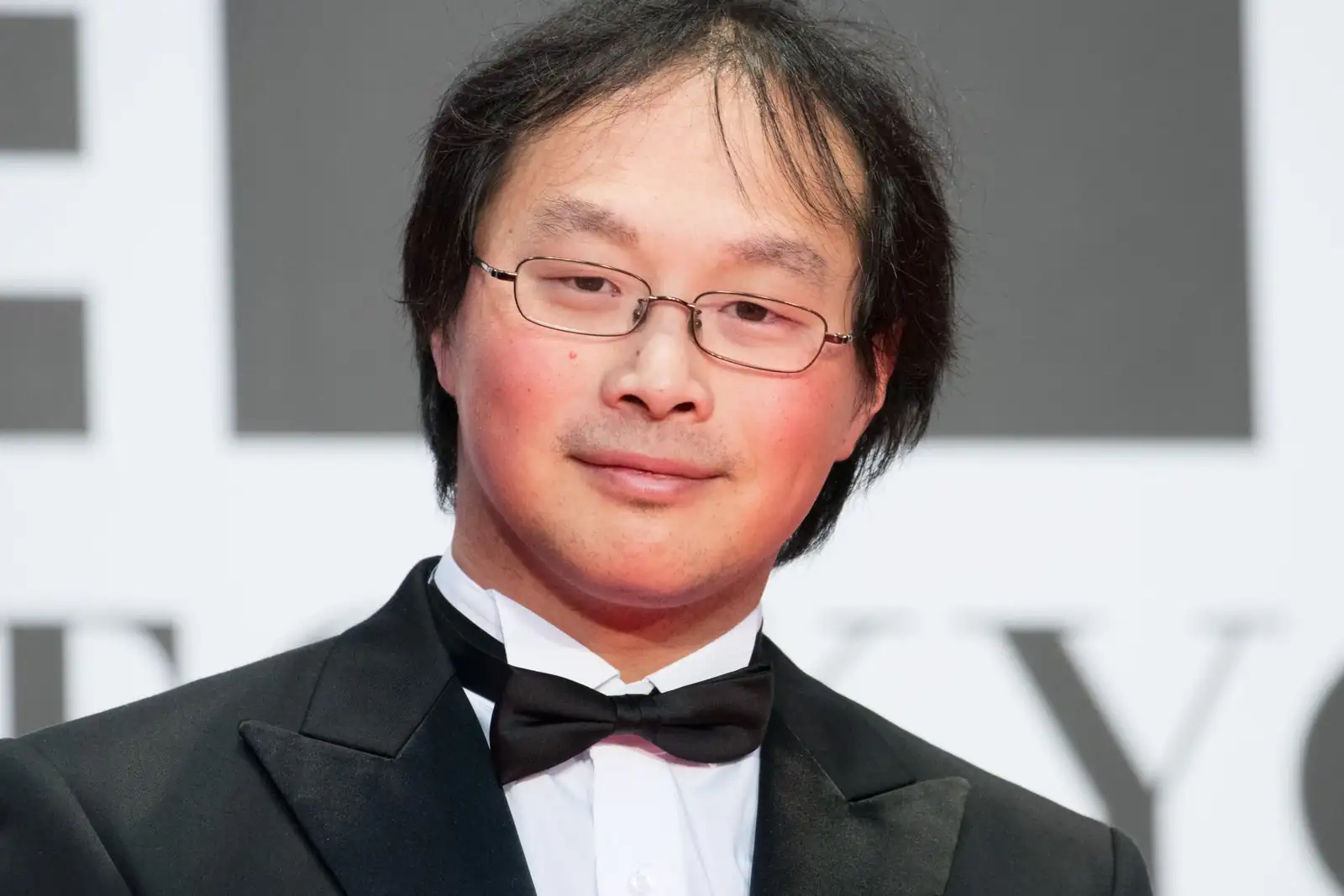
Image source: Dick Thomas Johnson / CC BY 2.0 / Wikimedia Commons
In November 2026, Japanese director Koji Fukada visited Taiwan for the Golden Horse Film Festival to present his new feature film Nagi Notes (Chinese title: When the Wind Blows in Nagi Town), starring Takako Matsu, Shizuka Ishibashi, and Kenichi Matsuyama, which incorporates same-sex marriage and features Taiwan as part of its story backdrop. The film was selected for the main competition at the 2026 Cannes Film Festival and opens in Taiwan on December 4. In interviews during the festival, Fukada shared his creative intentions, saying he hopes to speak up for sexual minorities through cinema.
The film follows a young gay couple who plan to travel to Taiwan to get married. Fukada said the script, conceived in 2016, is set in Nagi, a town of only about 5,000 people where sexual minorities exist yet find it hard to come out in such a closed environment, and he wanted the film to make them visible. The script originally envisioned the couple heading to Portugal or another European country, but he ultimately chose Taiwan after realizing Europe felt geographically and culturally distant from Japan whereas Taiwan in East Asia has already legalized same-sex marriage, a decision reinforced by his growing affection for Taiwan through appearances at the Golden Horse Film Festival and the Kaohsiung Film Festival.
Asked why he included LGBTQ+ themes, Fukada said he is often asked why he puts sexual-minority characters in his films, yet rarely does anyone ask the reverse question about heterosexual characters, adding that he hopes that in five or ten years such characters will appear in films as a matter of course, without anyone making a special point of it. Fukada observed a striking contrast in audience reactions: whereas Japanese viewers often treat same-sex marriage scenes as solemn occasions and find it hard to laugh because marriage equality remains unrecognized in Japan, Taiwanese audiences laughed naturally during certain exchanges, reflecting a society where marriage equality has become part of everyday life. During a post-screening discussion, he added that while no formal sequel plans exist yet, he has begun imagining setting a continuation of the two young men’s lives in Taiwan.
Fukada also shared behind-the-scenes stories: he cast Matsu, known for her comic timing, as the sculptor Yoriko to soften the character’s tragic tone, and Matsu spent months before filming studying sculpting in northeastern Japan under sculptor Manami Yoshida, who stayed with the production from the first day of shooting through the wrap to coach her. Matsuyama, meanwhile, invited young co-stars Kazusora Kawaguchi and Hijiri Fujiwara to move into the cabin where he was staying, cooking and baking cakes for the crew to help the newcomers settle in.
Asian Editorial Department: Kim Min-jun
Source: UDN Stars News (citing CNA)
References:
UDN Stars News: Koji Fukada on the plight of gay people in Japan:https://stars.udn.com/star/story/10090/9880152
Videoland News: Koji Fukada on filming the same-sex marriage storyline in Taiwan:https://news.videoland.com.tw/article/f969b3a9-d599-4c75-8e77-b88ec5ed99fe.html
Related Content
Transgender Day of Remembrance: 273 trans people reported murdered worldwide in the past year, one every 32 hours

Global: Homosexuality Remains Illegal in 65 Nations, Down From Over 90 at Turn of Century
Philippines: House Panel Approves in Principle Bills Related to SOGIESC Legislation

South Korea: Entertainer Park Ji-yoon Rejects Infidelity Ruling, Stating Male Friend Involved Is Gay
Japan: Kyushu Rainbow Pride 2026 Lights Up Fukuoka as Prefecture Promotes Partnership System

Japan: Two Fathers Redefine Family as Trans Man Postpones Surgery to Carry Children