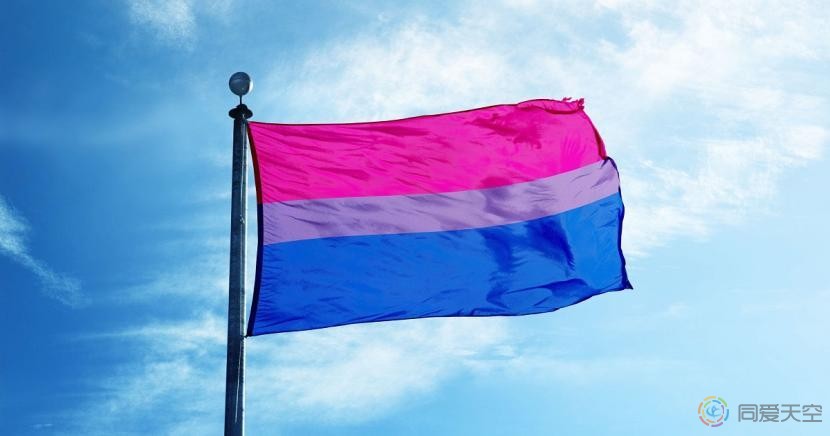
Scientists have identified genetic variants linked to
bisexual behavior in humans for the first time, and these variants are associated with behaviors such as risk-taking and the desire to have children.
A research team led by the University of Michigan published its findings on January 3 in the journal *Science Advances*. The team analyzed data from over 450,000 individuals in the UK Biobank’s genetic and health database. The researchers also had participants complete a questionnaire, which included questions designed to determine whether they were more risk-prone than the general population.
The analysis revealed that heterosexual men carrying genetic variants associated with
bisexual behavior (referred to as BSB-associated alleles) tend to have more children. Additionally, those who self-reported a willingness to engage in risky behaviors had, on average, more children than the general population and were more likely to carry BSB-associated alleles.
Jianzhi Zhang, the senior author of the study and an evolutionary biologist, said, “Our findings suggest that men carrying the BSB-associated allele may possess a reproductive advantage, which could explain why this gene has not been eliminated in the past and predict its continued existence in the future.”
Zhang added: “These results also suggest that risk-taking behavior is the underlying mechanism by which BSB-associated alleles promote heterosexual reproduction. In other words, the reproductive advantage of BSB-associated alleles is a byproduct of risk-taking behavior.”
This study is part of a series of research efforts aimed at investigating the influence of genes on
same-sex attraction. Zhang and another study author, Siliang Song, confirmed that the biological markers associated with
homosexual and
bisexual behaviors are distinct, whereas they were previously conflated.
Zhang stated, “We found that in the past, people tended to lump all
same-sex behaviors together… but in reality, it is a spectrum.”
Zhang explained that risk-taking behavior refers to a tendency to seek rewards despite the potential for negative consequences. He noted that while the biobank questionnaires did not explicitly define the types of risks, participants’ self-reported risk-taking likely included unprotected sex and active sexual relationships—which could lead to more children.
“Nature is complex,” Zhang continued. “Here, we’re discussing three traits: number of children, risk-taking tendencies, and
bisexual behavior. They all share some common genetic basis.”
Research on the relationship between human sexual orientation and genetics has long been controversial, with many fearing that if a “
gay gene” were identified, ill-intentioned conservative forces might exploit this information to discriminate against the
queer community.
The authors emphasize: “We want to make it clear that our findings are primarily intended to contribute to a better understanding of the diversity and richness of human sexual behavior. In any case, these findings are not intended to imply or condone discrimination based on sexual behavior.”
Translated by Kevin
Source: PinkNews
Reviewer:
News Editorial Department - Robin Source: Jian
Gay Aggregator