
Transgender Athletes Find Inclusive Space in Gymnastics
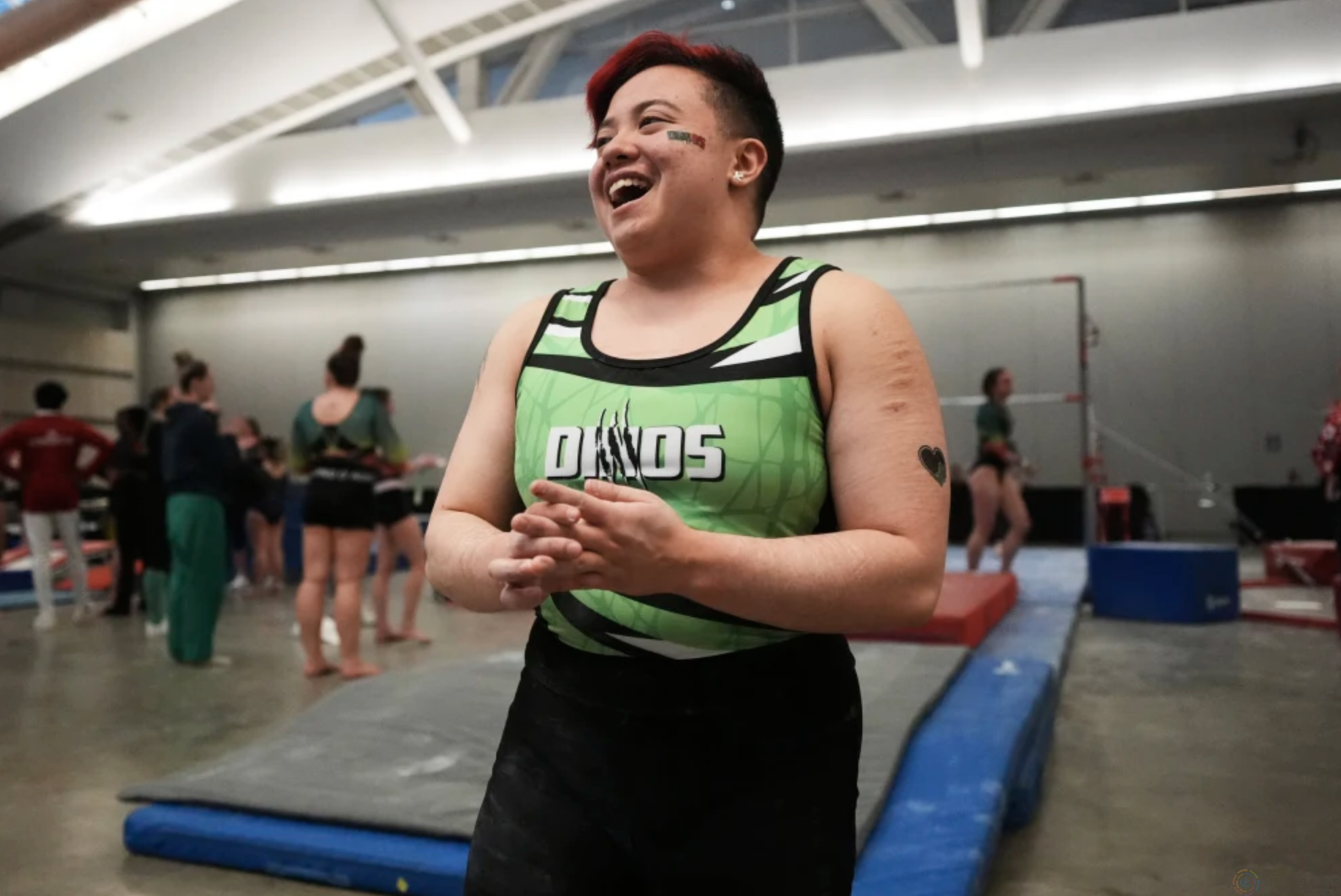
Raiden Hung, of Jurassic Gymnastics in Boston, relaxes after competing on the uneven bars at the NAIGC national competition in Pittsburgh on Friday
PITTSBURGH — Raiden Hung, a 21-year-old student at Northeastern University, can’t fathom a life without gymnastics. The sport has always been his sanctuary, offering a blend of joy and tranquility as he flips across the mat.
The National Association of Intercollegiate Gymnastics Clubs (NAIGC) provided the solution. With over 2,500 athletes and 160 clubs nationwide, the NAIGC prioritizes gender inclusivity, eschewing gendered categories in competitions. Athletes compete by skill level, not gender, and can use any apparatus—women on parallel bars, men on balance beams. The annual national meet even includes a “decathlon” allowing all gender identities to compete in all 10 artistic gymnastics events.

Ten Harder, of Boston University Gymnastics Club in Boston, dismounts the balance beam at the NAIGC national competition
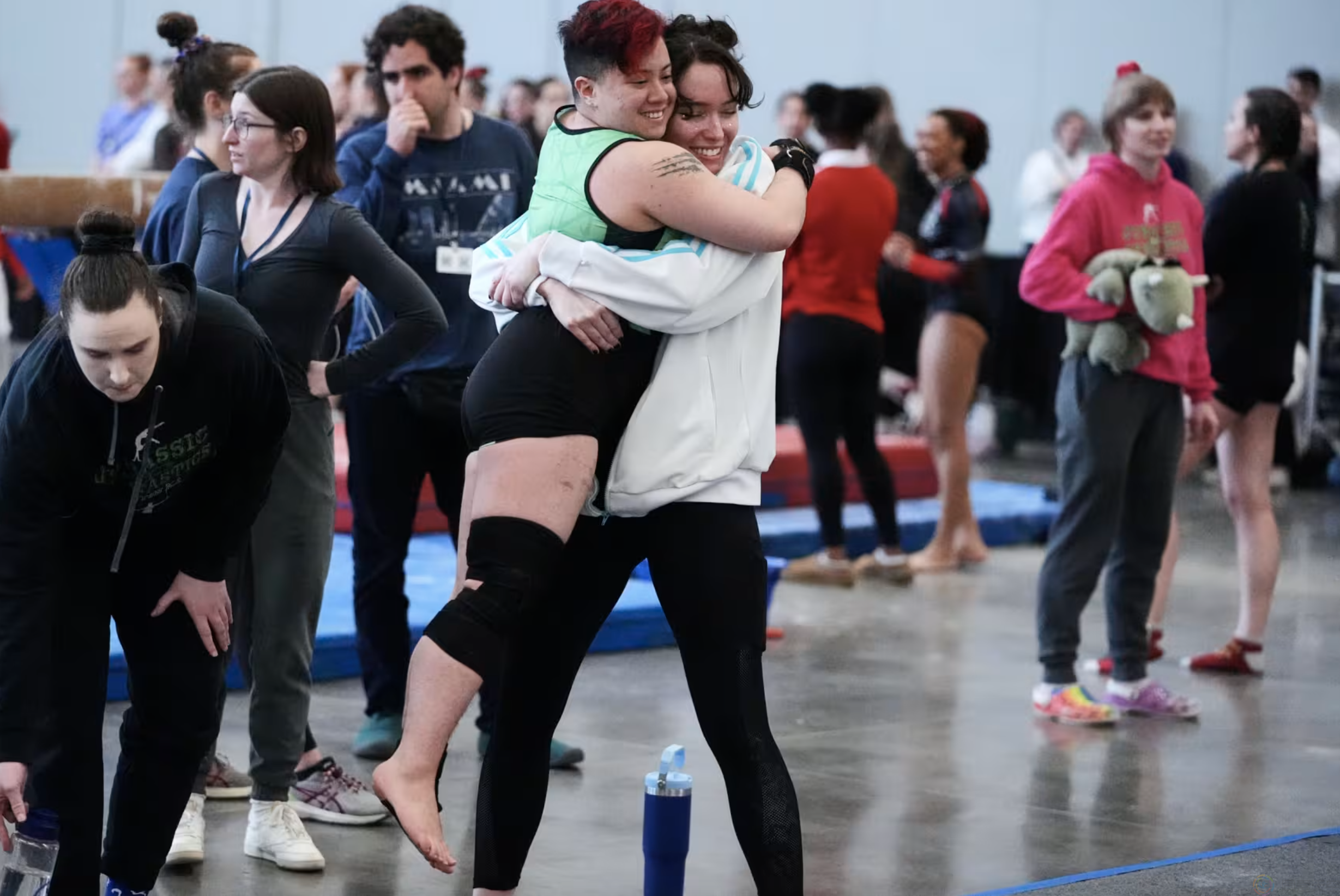
Raiden Hung, of Jurassic Gymnastics in Boston, center left, celebrates with teammate Fay Malay after competing in the floor exercise.
Editor: Robin
Related Content

US: Families and Friends Turn to Crowdfunding on Transgender Day of Remembrance to Bury and Honor Trans Loved Ones

US: Actress Abbi Jacobson Says She and Wife Pretend to Be Sisters in Certain States Out of Safety Concerns

US: Civil Rights Attorney Launches Free 'Trans Data Initiative' Archive Tracking 8,900 Bills and Over 500 Court Cases

US: Grand Jury Indicts Maximum-Security Prisoner on First-Degree Murder Charge in Death of Hawaii Trans Woman Inmate

US: New Massachusetts Nonprofit Offers Free Telehealth Trans Youth Care Without Federal Funding

US: Transgender Teen Testifies in Kentucky Court Against School Restroom and Pronoun Restrictions Under SB 150