
21 U.S. Hospitals Discontinue or Restrict Transgender Care for Minors Since This Year, Families Forced to Seek Alternatives
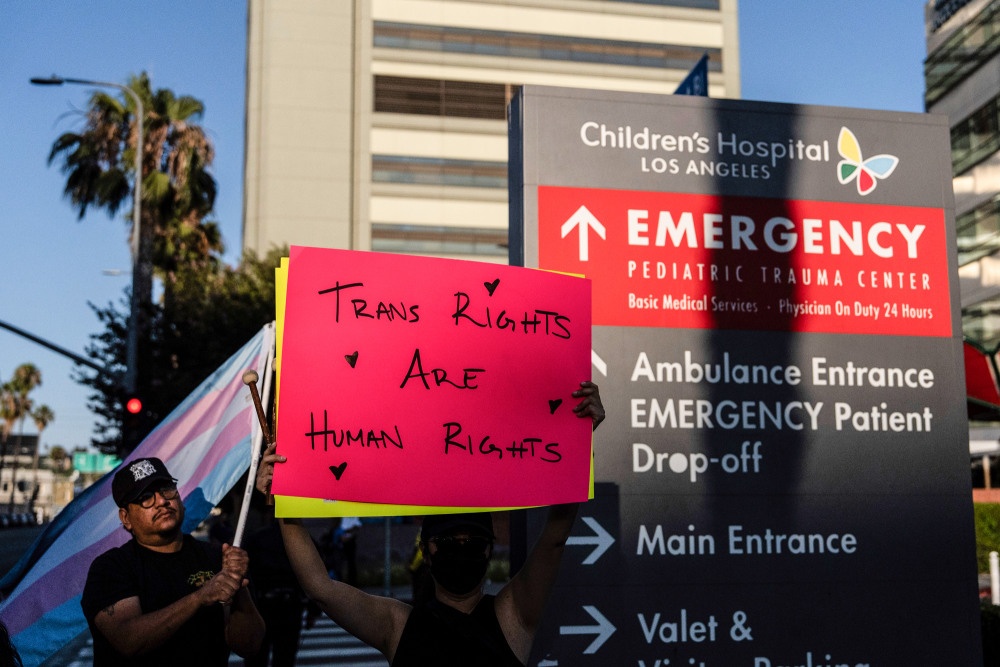
Protesters demonstrate on July 3 against the planned closure of the trans youth clinic at Children's Hospital Los Angeles
An analysis shows that due to threats of investigations and funding cuts, 21 hospitals and health systems in the U.S. have temporarily or permanently reduced transgender care for minors and some young adults this year. Among them, 12 hospitals have announced they will discontinue or have discontinued puberty blockers and hormone therapy for transgender patients under 19; 4 have stopped providing transition-related surgeries; 1 has ended gender-affirming care for teens; and 4 temporarily suspended care for those under 19 due to an executive order in January, later resuming services after a judge blocked part of the order in March.
Additionally, 5 other hospitals have removed webpages about transgender care for minors from their websites this year: 1 stated it still provides the care, 1 only said it "complies with applicable laws and regulations," and 3 did not respond to inquiries. A health center in Iowa also stopped offering hormone therapy to transgender adults due to an order prohibiting federal funds from being used to "promote gender ideology."
Hospitals are caught between state laws (mostly banning discrimination against transgender people in healthcare) and federal guidelines (threatening funding cuts or accountability). Affected families describe the consequences as devastating: a Florida mother, who chose to remain anonymous over fears of harassment and threats, has bought one-way tickets to Berlin and plans to move there with her 15-year-old transgender daughter in September, using a language-learning visa. To access care, her daughter had driven 11 hours to Alabama every few months since 2021; after Alabama’s care ban took effect in 2023, they switched to Children’s National Hospital in Washington, D.C.—which announced in July it would stop prescribing gender-affirming medications starting August 30. The mother said even if she found a new U.S. doctor, she feared "only one visit before the government intervenes again," sadly noting, "We were told America is the greatest country, but now we have to flee for my child’s healthcare and safety."
Since 2021, 27 states have enacted measures banning minors from accessing puberty blockers, hormone therapy, or transition surgeries. Supporters claim the care is understudied, risky, and that minors can’t consent, but doctors treating transgender youth counter that puberty blockers have been used for non-transgender minors for decades. Almost all major U.S. medical associations support such care and oppose restrictions; the American Medical Association calls government limits "a dangerous intrusion into medical practice." Data shows less than 0.1% of transgender teens with private insurance use related medications, and the rate of transition surgeries for 15-17-year-olds is 2.1 per 100,000.
States where care remains legal (e.g., California, Colorado) have seen an influx of out-of-state patients, with some families relocating. Hospitals like Children’s Hospital Los Angeles were once "safe havens," but the situation shifted in January: an executive order sought to cut federal funding to institutions providing minor transgender care (partially blocked in March). In April, the Justice Department issued a memo to investigate doctors, and in July, subpoenas were sent to over 20 clinics for patient information. Multiple federal agencies also took restrictive actions, leading Children’s Hospital Los Angeles to close its 30-year-old Transyouth Health Center, stating "threats are no longer theoretical—the federal government has suddenly cut hundreds of millions in funding to institutions."
Over a dozen states led by New York have sued to stop the investigations, arguing the federal government’s actions are unconstitutional and force hospitals to "defy orders or violate state anti-discrimination laws." Dr. Kade Goepferd from Children’s Minnesota said patients’ parents are fearful, teens feel hopeless and targeted, some have moved abroad, and the clinic’s first-appointment waitlist is 6 months. Goepferd worries "transgender teens’ access to necessary care depends on public understanding," stressing such care is no different from other medical services and shouldn’t be treated as exceptional.
North American Editorial Office: Robin
Related Content

US: Families and Friends Turn to Crowdfunding on Transgender Day of Remembrance to Bury and Honor Trans Loved Ones

US: Actress Abbi Jacobson Says She and Wife Pretend to Be Sisters in Certain States Out of Safety Concerns

US: Civil Rights Attorney Launches Free 'Trans Data Initiative' Archive Tracking 8,900 Bills and Over 500 Court Cases
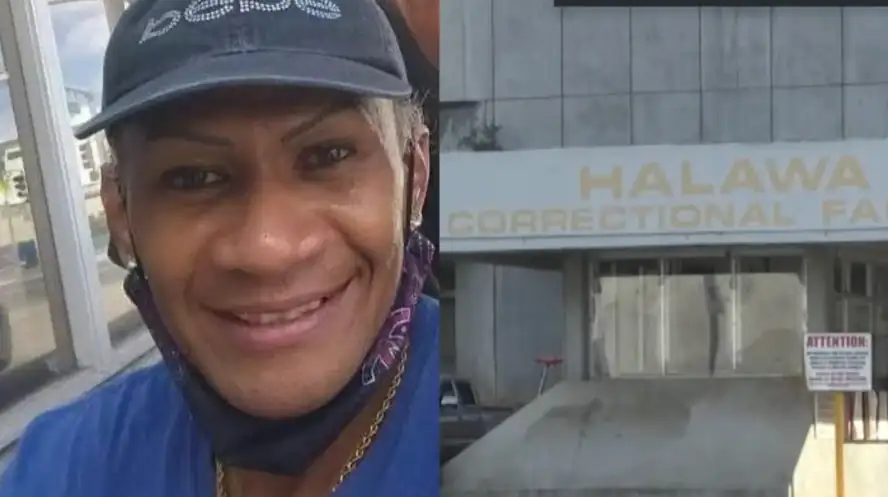
US: Grand Jury Indicts Maximum-Security Prisoner on First-Degree Murder Charge in Death of Hawaii Trans Woman Inmate

US: New Massachusetts Nonprofit Offers Free Telehealth Trans Youth Care Without Federal Funding
US: Transgender Teen Testifies in Kentucky Court Against School Restroom and Pronoun Restrictions Under SB 150