
Gender Under Armor: The Long Journey Toward Equality in Taiwan's Military
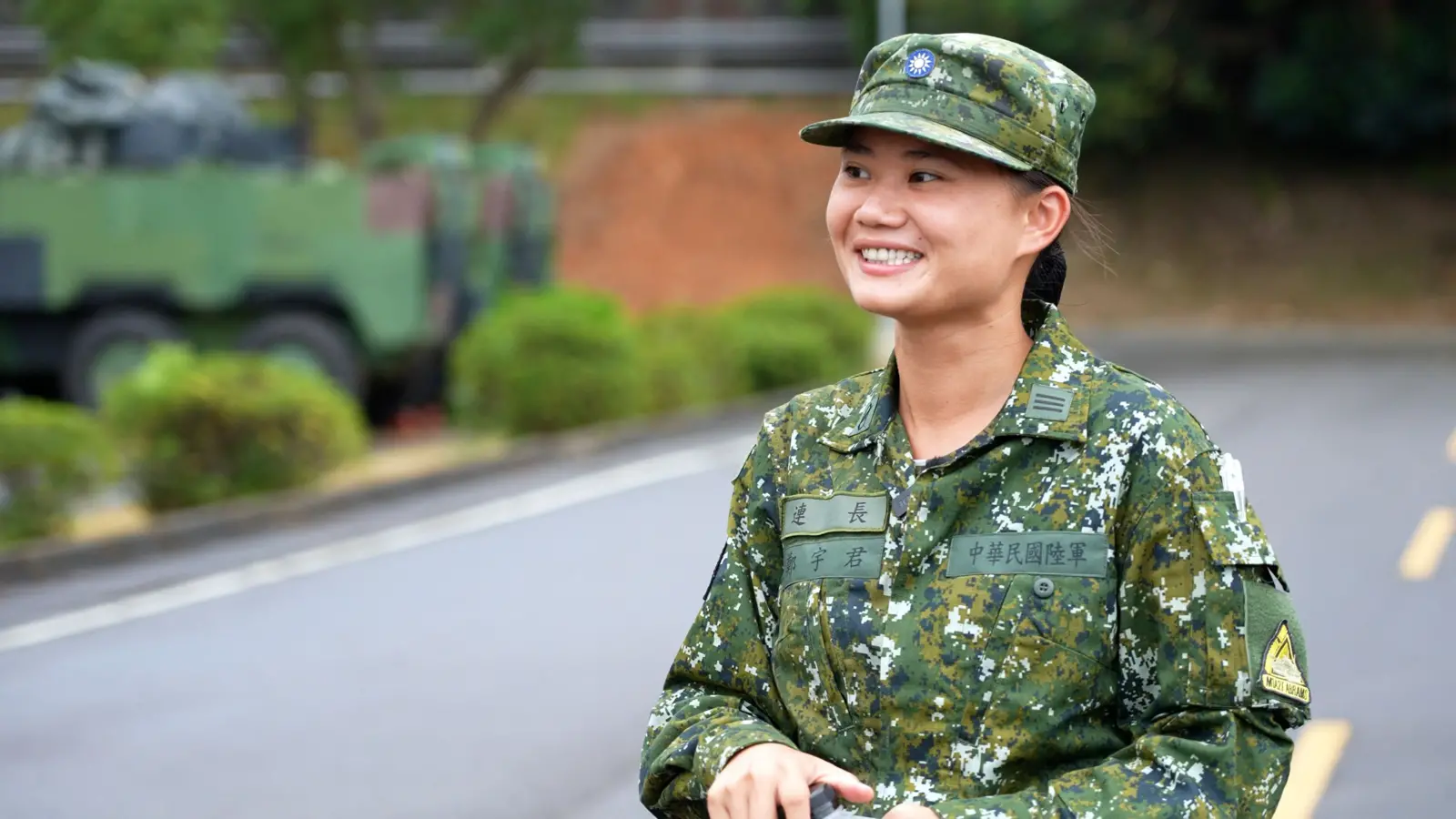
Cheng Yu-chun is among Taiwan's first group of drivers to receive training in the United States for the new main battle tanks
As global military modernization progresses, the roles of women and the LGBTQ community in defense have become increasingly prominent. In Taiwan, the emergence of the first cohort of female armor personnel was hailed as a breakthrough in shattering the "glass ceiling." Cheng Yu-chun, among the first women to receive overseas training for heavy tank operation, symbolizes the government's efforts to expand female personnel participation. According to 2025 statistics, the proportion of women in Taiwan's military reached 16.7%, a figure higher than that of Japan and South Korea, and comparable to several Western nations.
However, behind these optimistic statistics, internal military gender culture and structural barriers remain steadfast. Research indicates that despite a significant rise in female numbers, occupational segregation persists. Female personnel are predominantly concentrated in administrative and communication roles, while front-line units such as the submarine corps remain closed to women, citing space constraints and privacy concerns. Furthermore, the government continues to enforce gender quotas for military academies, sparking public debate over institutionalized gender bias.
Beyond barriers to entry and promotion, the "macho culture" in grassroots units continues to marginalize women and the LGBT/LGBTQ community. Hsieh Yun-hsi, a military veteran, recalled that women in combat units often experience social isolation. To gain collective acceptance, women frequently feel compelled to adopt "non-feminine" personas to align with traditional military ideals of masculinity. More critically, camp safety remains a concern, with reports indicating a significant "dark figure" of sexual harassment cases. Victims often choose silence due to power imbalances and opaque reporting mechanisms, eventually leading some to exit their careers.
Experts argue that gender equality is essential for military modernization. Although government leaders have publicly celebrated female soldiers' achievements and emphasized a "zero tolerance" policy for harassment, the pace of reform remains sluggish. Sweden's "gender-neutral" conscription model is often cited as a benchmark, advocating for the recruitment of diverse talent, including transgender individuals, across all branches. Ultimately, for Taiwan's military to achieve substantive equality, it must not only upgrade infrastructure but also dismantle the "cement ceiling" through cultural and legislative change, ensuring all members are respected based on professional merit.
Asian Editorial Department: Lu Junxiu
Related Content
Transgender Day of Remembrance: 273 trans people reported murdered worldwide in the past year, one every 32 hours
Global: Homosexuality Remains Illegal in 65 Nations, Down From Over 90 at Turn of Century
Philippines: House Panel Approves in Principle Bills Related to SOGIESC Legislation

South Korea: Entertainer Park Ji-yoon Rejects Infidelity Ruling, Stating Male Friend Involved Is Gay
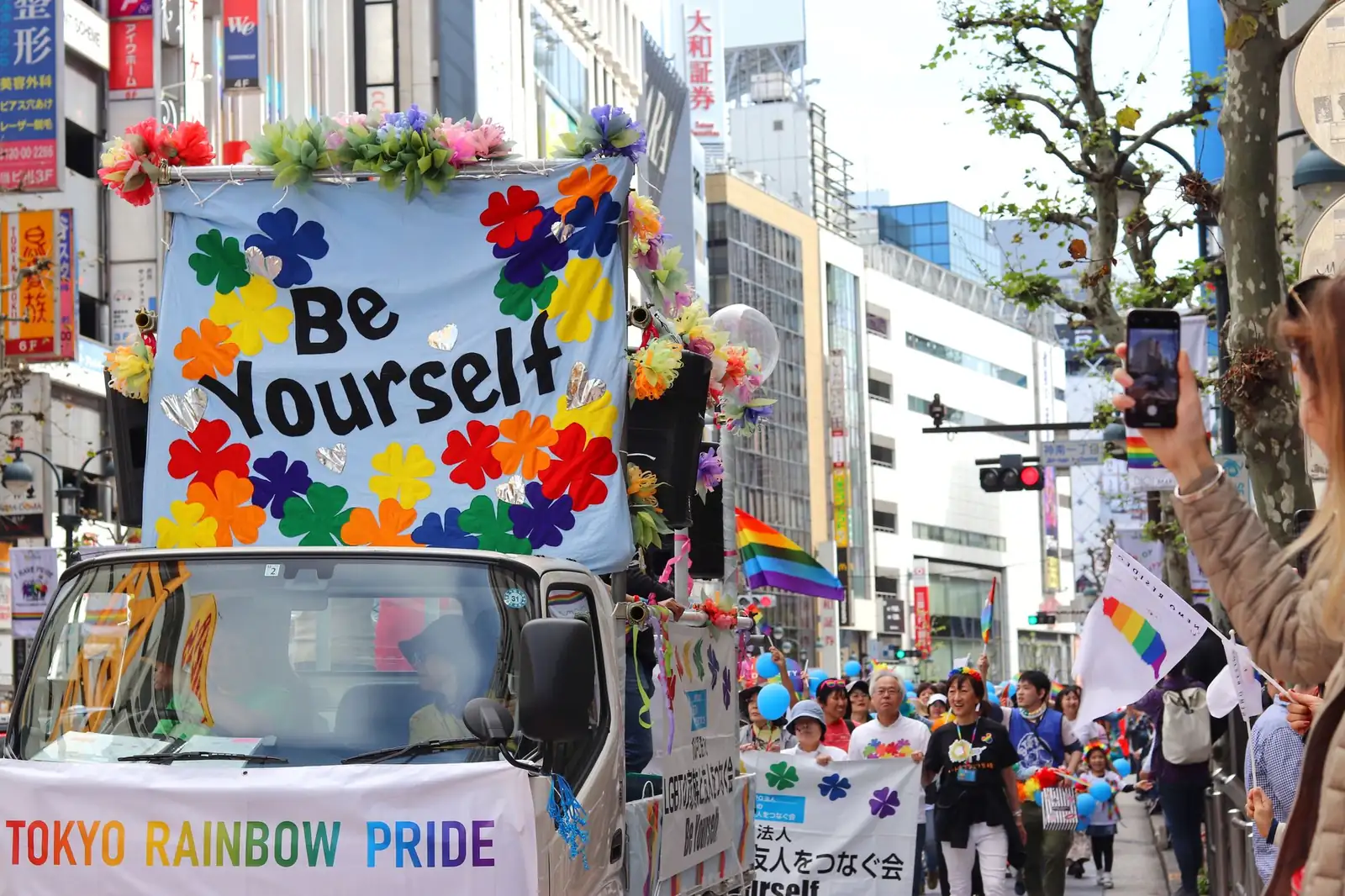
Japan: Kyushu Rainbow Pride 2026 Lights Up Fukuoka as Prefecture Promotes Partnership System

Japan: Two Fathers Redefine Family as Trans Man Postpones Surgery to Carry Children