
A Debate on Law and Equity: U.S. High Court Likely to Uphold Restrictions on Transgender Athletes
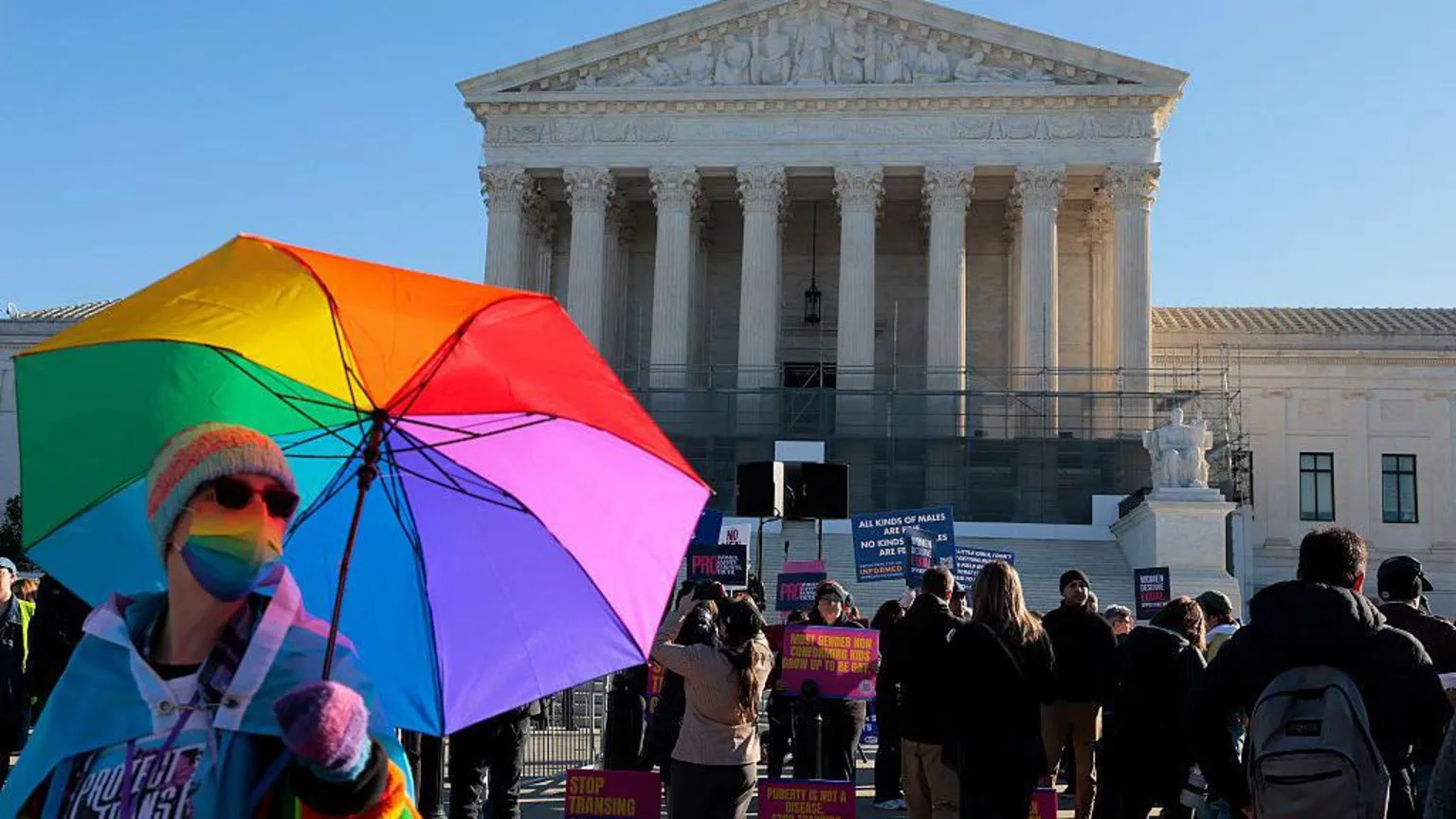
In the United States' highest hall of justice, a legal confrontation concerning gender identity, biological science, and competitive fairness has drawn intense public scrutiny. Over three hours of oral arguments, a majority of the nine High Court justices signaled a lean toward upholding state laws that prohibit transgender women and girls from participating in female school and collegiate sports. Feedback from the courtroom suggests the conservative majority is inclined to maintain existing state-level restrictions across the country.
Currently, more than two dozen U.S. states have enacted similar legislation, requiring public school and athletic teams to be designated based on biological sex recorded at birth. Idaho, the first state to implement such a ban, argued that biological sex is a decisive factor in competitive athletics. State representatives emphasized that sex at birth correlates strongly with athletic advantages, including body size, muscle mass, bone density, and lung capacity—factors that directly impact the fairness of the competition.
The plaintiffs in these cases include a transgender college student challenging Idaho’s law and a high school student contesting the ban in West Virginia. They argue that these restrictions violate constitutional protections for equal rights and run counter to federal civil rights laws that prohibit sex discrimination in education. However, several conservative justices expressed significant concern regarding the "level playing field." Justice Brett Kavanaugh noted that the court must decide for the entire United States and highlighted concerns that ignoring biological differences could undermine the successes achieved in women’s sports over the past 50 years.
Simultaneously, the stance of the U.S. government has undergone a notable shift. The current administration has moved to rescind anti-discrimination protections for transgender individuals and opposes policies that allow their full participation in female athletics. Official filings from the U.S. government have supported the states' bans, and the administration has even pursued legal action against regions that permit transgender athletes to compete. This political direction aligns with recent public opinion surveys, which indicate that a majority of Americans oppose allowing transgender women to compete in female sports.
Legal experts point out that while the court ruled in 2020 that discrimination against transgender workers was illegal in employment, the context of athletics presents a different challenge. The justices appear eager for a narrow ruling limited to sports to avoid immediate ripple effects on other policies. During the debate, it was acknowledged that scientific consensus remains unclear regarding the extent to which transgender women retain competitive advantages after treatment. As oral arguments conclude, the nation awaits the final decision from the U.S. Supreme Court in June, which will set the standard for gender classification in competitive sports nationwide.
North American Editorial Office: Robin
Related Content

US: Families and Friends Turn to Crowdfunding on Transgender Day of Remembrance to Bury and Honor Trans Loved Ones

US: Actress Abbi Jacobson Says She and Wife Pretend to Be Sisters in Certain States Out of Safety Concerns

US: Civil Rights Attorney Launches Free 'Trans Data Initiative' Archive Tracking 8,900 Bills and Over 500 Court Cases

US: Grand Jury Indicts Maximum-Security Prisoner on First-Degree Murder Charge in Death of Hawaii Trans Woman Inmate

US: New Massachusetts Nonprofit Offers Free Telehealth Trans Youth Care Without Federal Funding
US: Transgender Teen Testifies in Kentucky Court Against School Restroom and Pronoun Restrictions Under SB 150