
Taiwan Sees Doubling of Reported Same-Sex Intimate Partner Violence Cases Over Five Years; Experts Call for Targeted Support
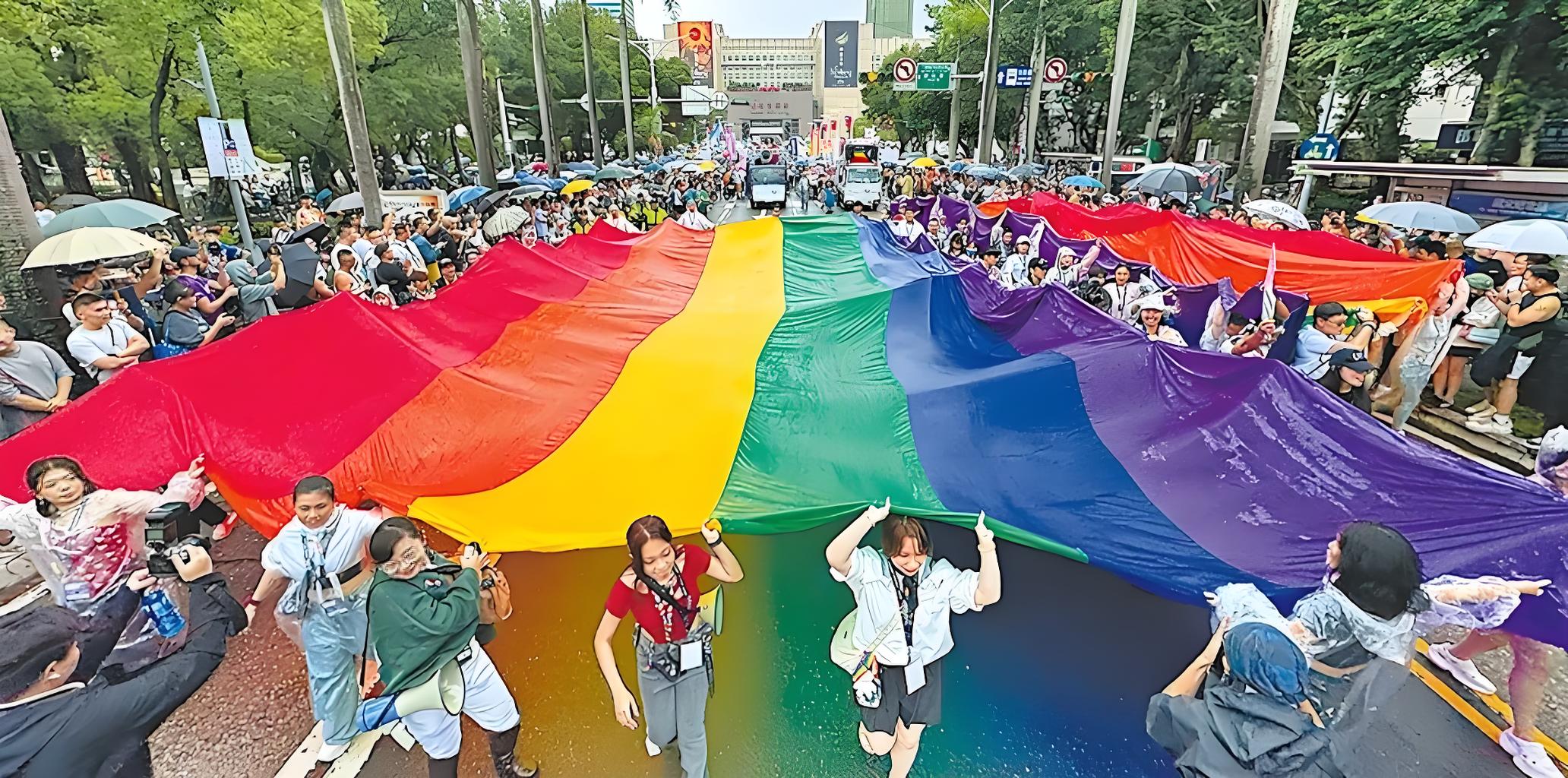
The picture shows the Taiwan LGBT Parade in 2025
Official statistics from Taiwan indicate that the number of reported victims of same-sex intimate partner violence has doubled over five years, rising from 857 to 1,661 cases. Among them, 1,106 were women and 553 were men. Authorities from the health and welfare department note that increased public awareness of intimate partner violence has led to higher reporting rates for both heterosexual and same-sex relationships. In the past, many victims remained silent due to social stigma, particularly within the LGBTQ community. The gradual shift in societal attitudes has encouraged more individuals to seek help, marking a positive development.
The data also reveal that victims of intimate partner violence peak in the 40–49 age group, followed by 30–39. For same-sex cases, the distribution skews younger, with the largest group aged 30–39 and the next 24–29. Experts suggest this may relate to higher levels of education and social acceptance among younger generations, making them more willing to disclose experiences.
Scholars in social work point out that victims of same-sex intimate partner violence often face the additional burden of “outing” risks when seeking assistance, resulting in significant underreporting. Nevertheless, the increasing number of help-seekers reflects growing societal openness. However, men remain less likely to seek help. Research shows that men account for about one-quarter of overall intimate partner violence victims, but in same-sex cases, they represent one-third—a higher proportion than in heterosexual male cases, yet still indicative of suppressed reporting.
Scholars explain that intimate partner violence encompasses physical, psychological, and sexual forms. Traditional gender stereotypes portray men as strong and unwilling to show weakness, a perception that persists in both heterosexual and same-sex relationships, compounded by distrust in support systems. The risk of violence escalates during breakups, particularly when one partner threatens to out the other, further deterring victims from seeking help.
Health authorities have updated risk assessment tools several years ago to increase sensitivity toward same-sex couples, enabling earlier detection and intervention to provide necessary protection and support. These adjustments aim to better address the real needs of the LGBTQ community and foster a more inclusive help-seeking environment.
Asian Editorial Department: Lu Junxiu
Related Content
Transgender Day of Remembrance: 273 trans people reported murdered worldwide in the past year, one every 32 hours
Global: Homosexuality Remains Illegal in 65 Nations, Down From Over 90 at Turn of Century

Philippines: House Panel Approves in Principle Bills Related to SOGIESC Legislation

South Korea: Entertainer Park Ji-yoon Rejects Infidelity Ruling, Stating Male Friend Involved Is Gay
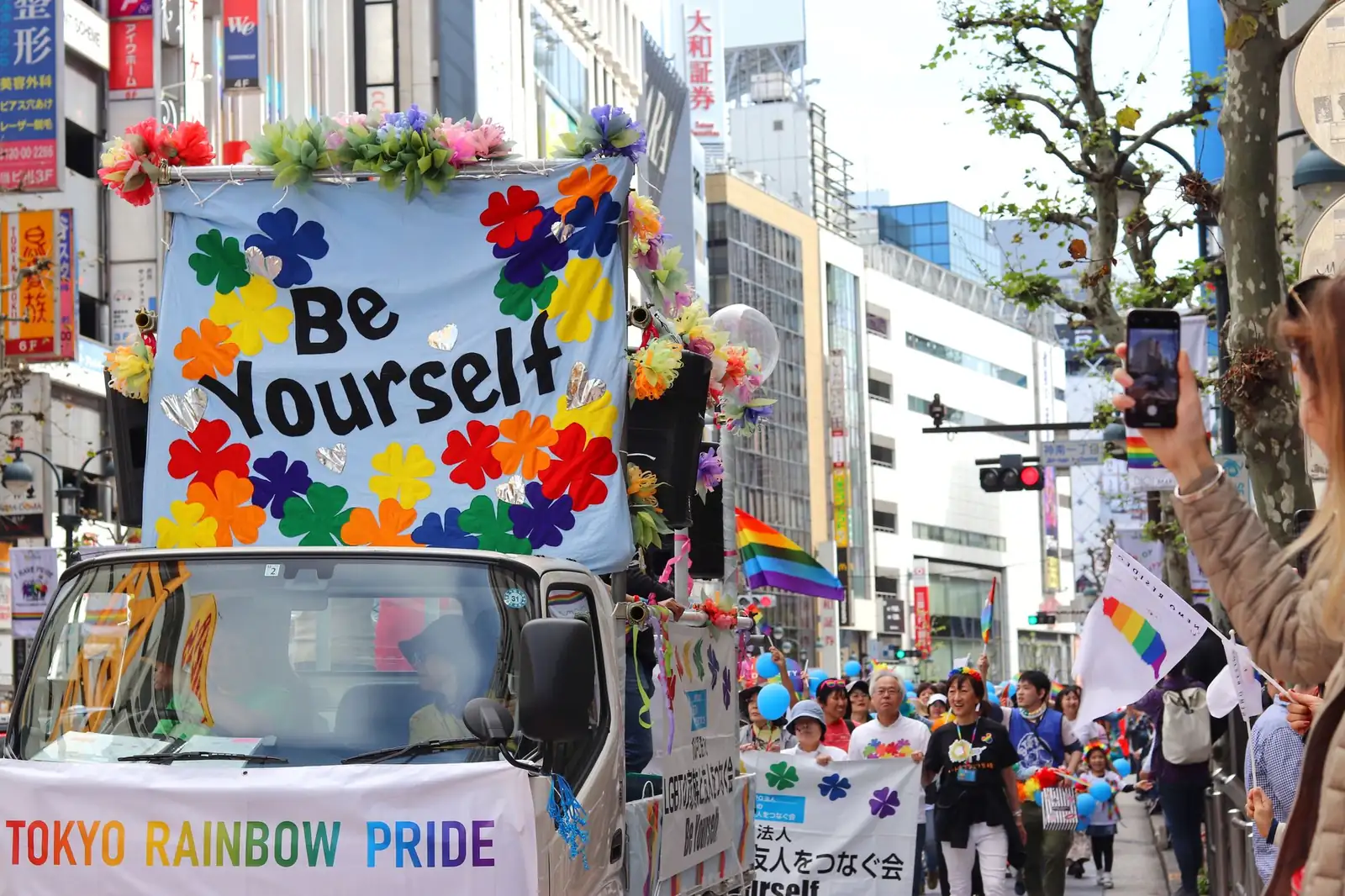
Japan: Kyushu Rainbow Pride 2026 Lights Up Fukuoka as Prefecture Promotes Partnership System

Japan: Two Fathers Redefine Family as Trans Man Postpones Surgery to Carry Children