
Coming Out as Bisexual and Pansexual Fuels Career Peak in Figure Skating
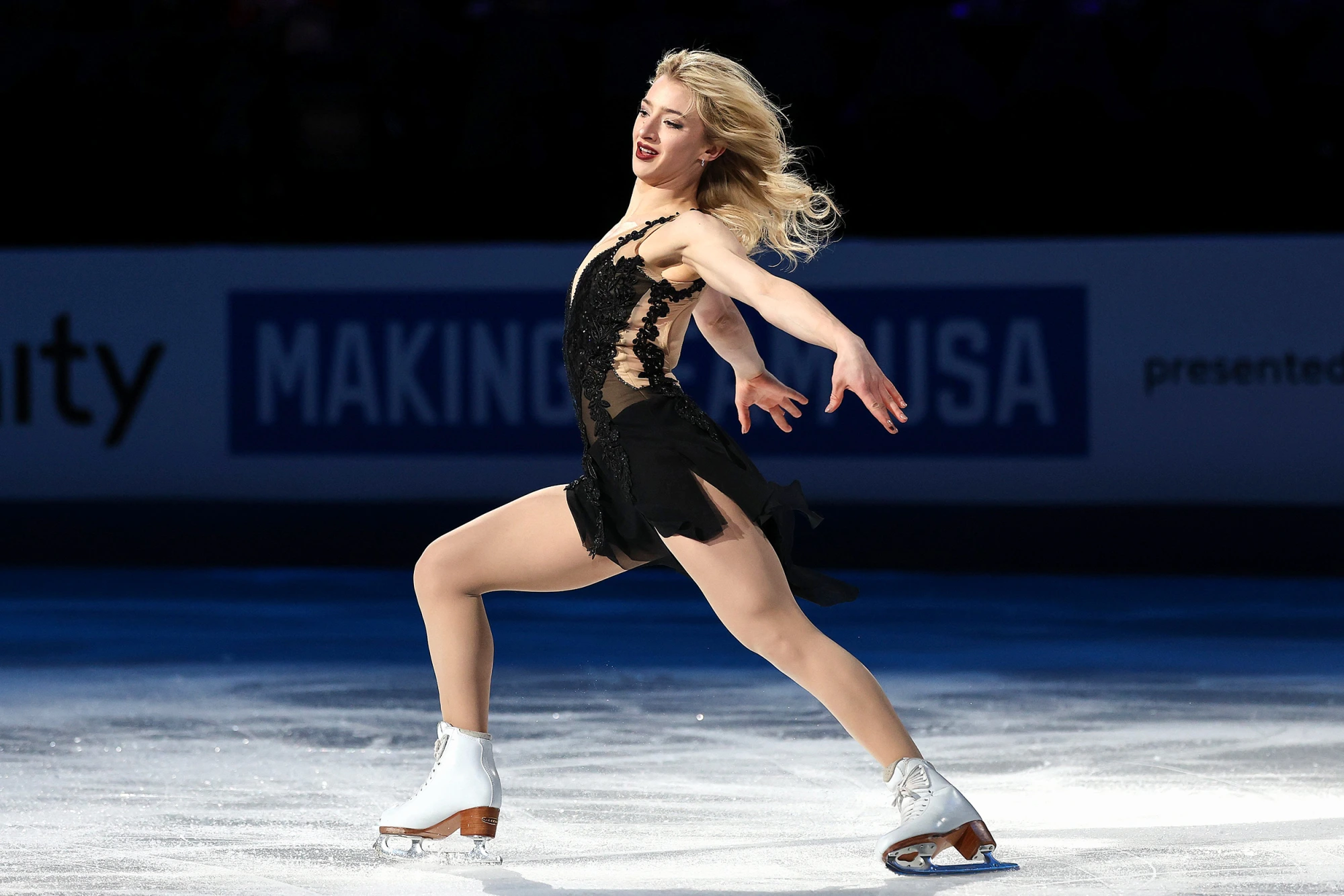
U.S. figure skater Amber Glenn made history at the recent U.S. Figure Skating Championships, setting a new American record in the women’s short program with a score of 83.05. This performance contributed to her securing a third consecutive national title—the first U.S. woman to achieve this feat in 21 years—and earned her a spot on the Olympic team. She now has the opportunity to become the first U.S. woman to medal in singles figure skating at an Olympics since 2006.
Glenn’s journey has not been smooth. She once stepped away from the sport due to mental health struggles and doubted whether she would ever return to top form. However, she believes her career turning point coincided with her decision to come out publicly as bisexual and pansexual in 2019, making her the first openly out woman to compete in figure skating at the Olympics.
Glenn admits she had long feared that being open about her identity would affect her scores, sponsorships, or reception in international competitions. Figure skating’s subjective scoring system includes components like artistry, and she worried about being perceived as “less feminine” or “less graceful.” Yet after coming out, she learned to embrace her authentic self rather than trying to fit someone else’s expectations. She credits this shift with allowing her to focus on her strengths.
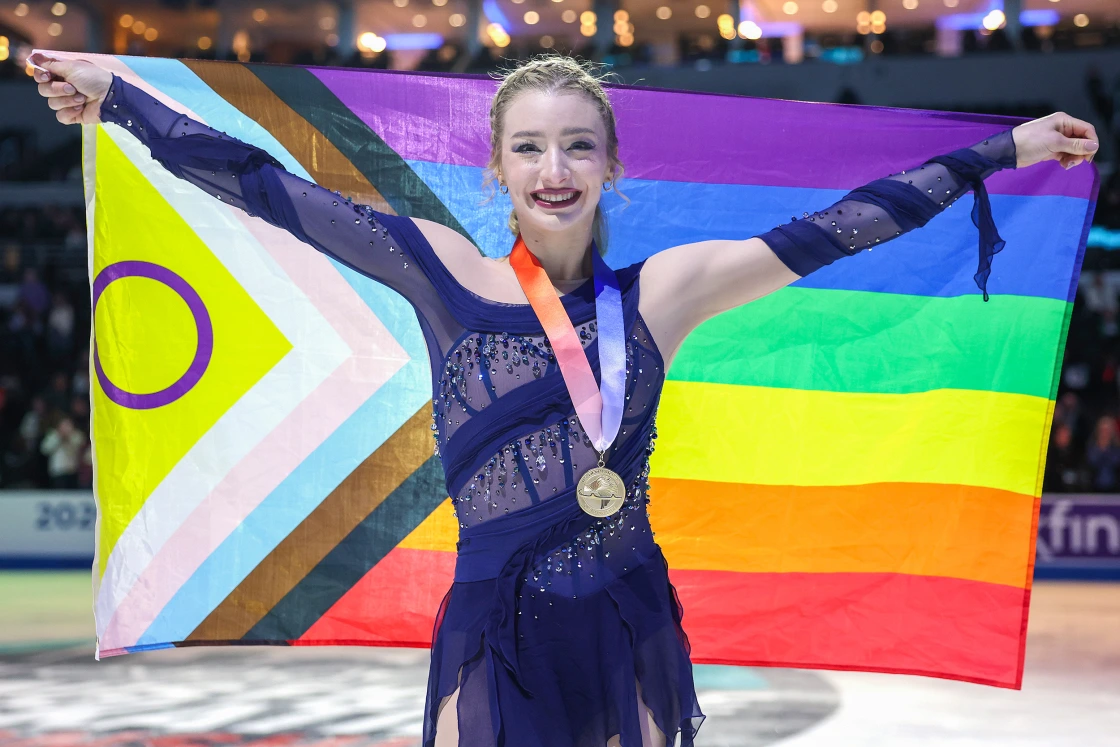
Glenn poses with an LGBTQ flag on Jan. 9 after having competed in the women's free skating at the U.S. championships
Since coming out, Glenn’s performance has markedly improved. She changed coaches, relocated her training from Texas to Colorado, and worked with a mental coach to manage competition nerves through breathing techniques. In 2024, she won her first national title despite early mistakes in her program, and less than a year later, she claimed gold at the Grand Prix Final, completing an undefeated season.
Glenn believes that without the courage to come out, she might not have overcome her mental barriers or reached her current level of success. She sees her openness not only as personal liberation but also as setting an example for others, encouraging athletes to compete as their true selves. She hopes her journey inspires future competitors: embracing one’s identity can be the foundation for achieving greatness.
北美州编辑部:Robin
Related Content

US: Families and Friends Turn to Crowdfunding on Transgender Day of Remembrance to Bury and Honor Trans Loved Ones
US: Actress Abbi Jacobson Says She and Wife Pretend to Be Sisters in Certain States Out of Safety Concerns

US: Civil Rights Attorney Launches Free 'Trans Data Initiative' Archive Tracking 8,900 Bills and Over 500 Court Cases

US: Grand Jury Indicts Maximum-Security Prisoner on First-Degree Murder Charge in Death of Hawaii Trans Woman Inmate

US: New Massachusetts Nonprofit Offers Free Telehealth Trans Youth Care Without Federal Funding

US: Transgender Teen Testifies in Kentucky Court Against School Restroom and Pronoun Restrictions Under SB 150