
Malaysia Blocks LGBTQ Social App Websites, Highlighting Global Compliance Challenges
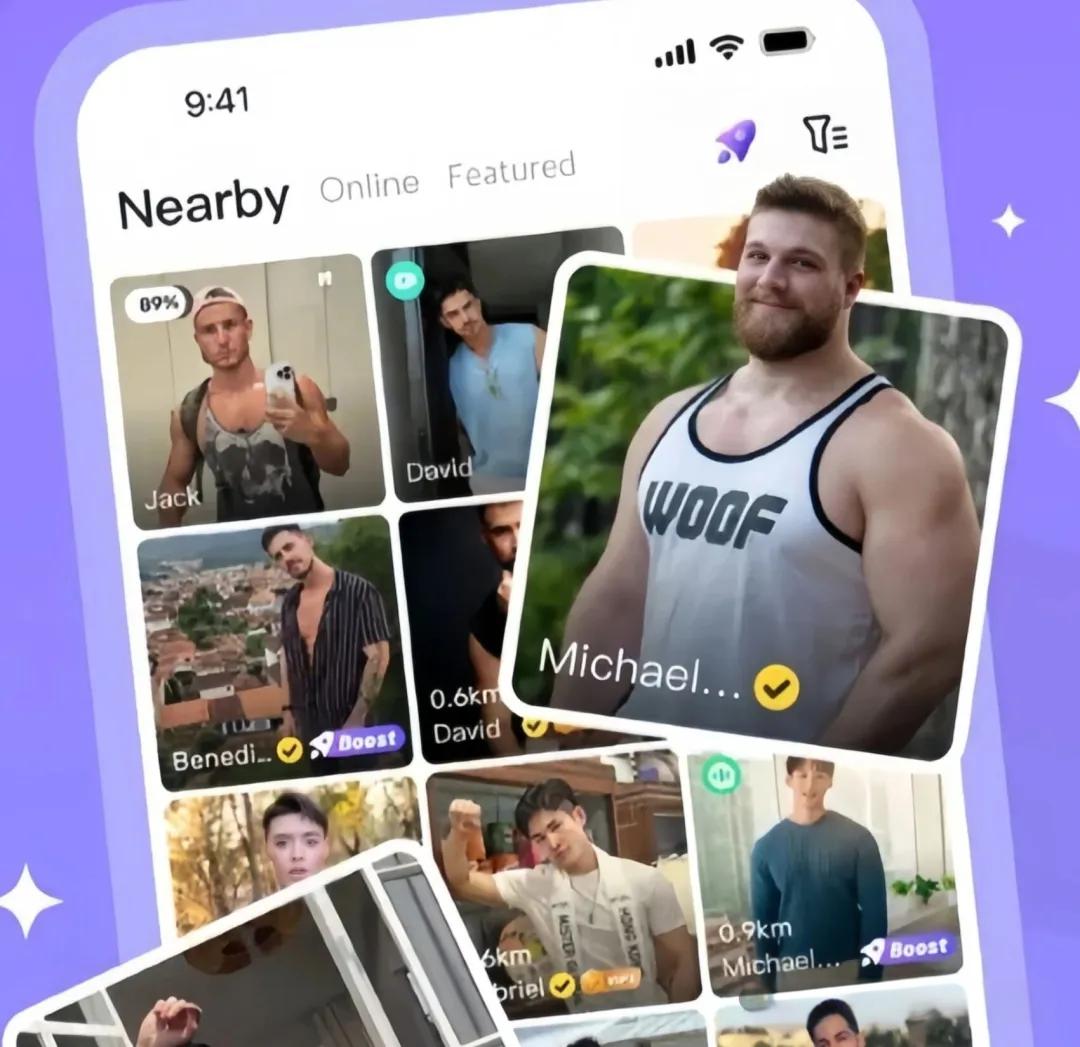
On February 25, 2026, the official communications department of Malaysia, an Asian nation, formally announced the banning of the official websites for two internationally recognized male same-sex social networking applications: Blued and Grindr. Concurrently, the country's official communications and multimedia regulatory body is exploring legal avenues to compel major app stores, specifically Apple's App Store and Google Play, to remove these mobile applications.
The catalyst for this blocking action stemmed from members of the country's legislative body questioning the applications during a parliamentary session, arguing that they "promote relationships deviating from local values". Subsequently, the authorities executed the web censorship measures, citing that the content violates public order and morals, and presents vulgarity alongside security risks. Contextually, both federal and local traditional laws in the country criminalize relevant behaviors within the same-sex community, rendering such content in a prolonged gray area. This ban is not an isolated incident but rather a crucial component of the country's broader initiative to tighten social platform regulations in 2026.
Despite the official actions, local LGBTQ users have experienced almost no substantial impact on their usage thus far. Daily access via mobile applications remains entirely unrestricted; even though the official websites are inaccessible, the platforms' core social and communication functionalities continue to operate normally. The primary reason for this phenomenon—blocking the web but not the application—is that Apple's App Store and Google Play are overseas platforms. Their operating entities, physical server locations, and content review guidelines are not under the direct jurisdiction of the Malaysian government. Consequently, officials can currently only employ "negotiation and pressure" tactics, lacking the authority to enforce a direct removal.
Public perception often confines Blued to its early, single-market phase; however, the platform has long completed a profound global transformation, with significant changes occurring in its parent company's equity structure, global business layout, and product division. The platform's origins date back to an online community launched in 2000, followed by an official mobile app release in 2012, and an international version debut in 2015. In July 2020, its parent company successfully went public on an overseas capital market; at that time, a substantial 49% of its active users originated from overseas markets, predominantly concentrated in Southeast and East Asia. Following capital market fluctuations and a privatization delisting, the platform was acquired by a new technology enterprise in 2022 and integrated into a core "diverse demographics social networking" business segment. To better adapt to global compliance requirements and localized operations, its international version was comprehensively upgraded and rebranded as HeeSay, operating with independent management, independent data storage, and an independent compliance review system.
This version focuses on expanding in Southeast Asia, South Asia, and Europe, while the original name continues to operate compliantly in a specific single market. Data indicates that the platform's overseas market share exceeds 50%, with Southeast Asia serving as its fundamental core business base; Thailand, Vietnam, Malaysia, and Indonesia constitute the four countries with the largest user bases.
Currently, global regulatory standards for male same-sex social applications vary drastically and can be categorized into three main types:
Strict Ban or Restriction Category: In nations such as Russia, Kazakhstan, and Hungary, official websites are comprehensively blocked, and app stores are forced to remove the applications. User engagement is deemed a violation, and platforms cannot operate publicly. The majority of Middle Eastern countries prohibit the dissemination of related content, restrict app downloads, and some areas even ban VPNs, placing users at extremely high risk. In Asia, Indonesia has repeatedly proposed comprehensive bans on such software in 2026, has currently implemented web blocking, and the applications face imminent removal risks. Malaysia's recent move to block websites and research app removal falls into a moderately strict category with a continuously tightening regulatory stance.
Moderate Control Category: In Southeast Asian countries like Thailand, Vietnam, and Singapore, authorities do not prohibit the existence of these social applications, merely requiring platforms to actively filter non-compliant content. Major same-sex social apps maintain normal operations in these core Asian markets. Certain specific regional markets permit legal operations but enforce strict supervision, compelling platforms to significantly streamline features to ensure compliance.
Fully Open Category: Developed regions such as Europe, the Americas, Canada, and Australia apply the same regulatory standards to LGBTQ social apps as they do to mainstream social platforms. They only mandate adherence to general cybersecurity rules without any additional targeted restrictions, allowing for unrestricted platform commercialization and market operations.
In conclusion, the industry widely views this incident as a form of "symbolic regulation". It will neither fundamentally alter the core status of same-sex social apps in the Southeast Asian market nor will it have a disruptive impact on the global market landscape of this sector. For average users, it has not created substantial obstacles in the short term. However, the platform's development history spanning over two decades validates a crucial reality: for any LGBTQ social platform aspiring to expand globally, "prioritizing compliance, tactical retrenchment for risk avoidance, and localized adaptation" will remain the ironclad rules for survival and growth amidst complex and dynamic cross-national cultures. This survival doctrine is projected to remain unchanged for a considerable period in the future.
Asian Editorial Department: Lu Junxiu
Related Content
Transgender Day of Remembrance: 273 trans people reported murdered worldwide in the past year, one every 32 hours
Global: Homosexuality Remains Illegal in 65 Nations, Down From Over 90 at Turn of Century
Philippines: House Panel Approves in Principle Bills Related to SOGIESC Legislation

South Korea: Entertainer Park Ji-yoon Rejects Infidelity Ruling, Stating Male Friend Involved Is Gay
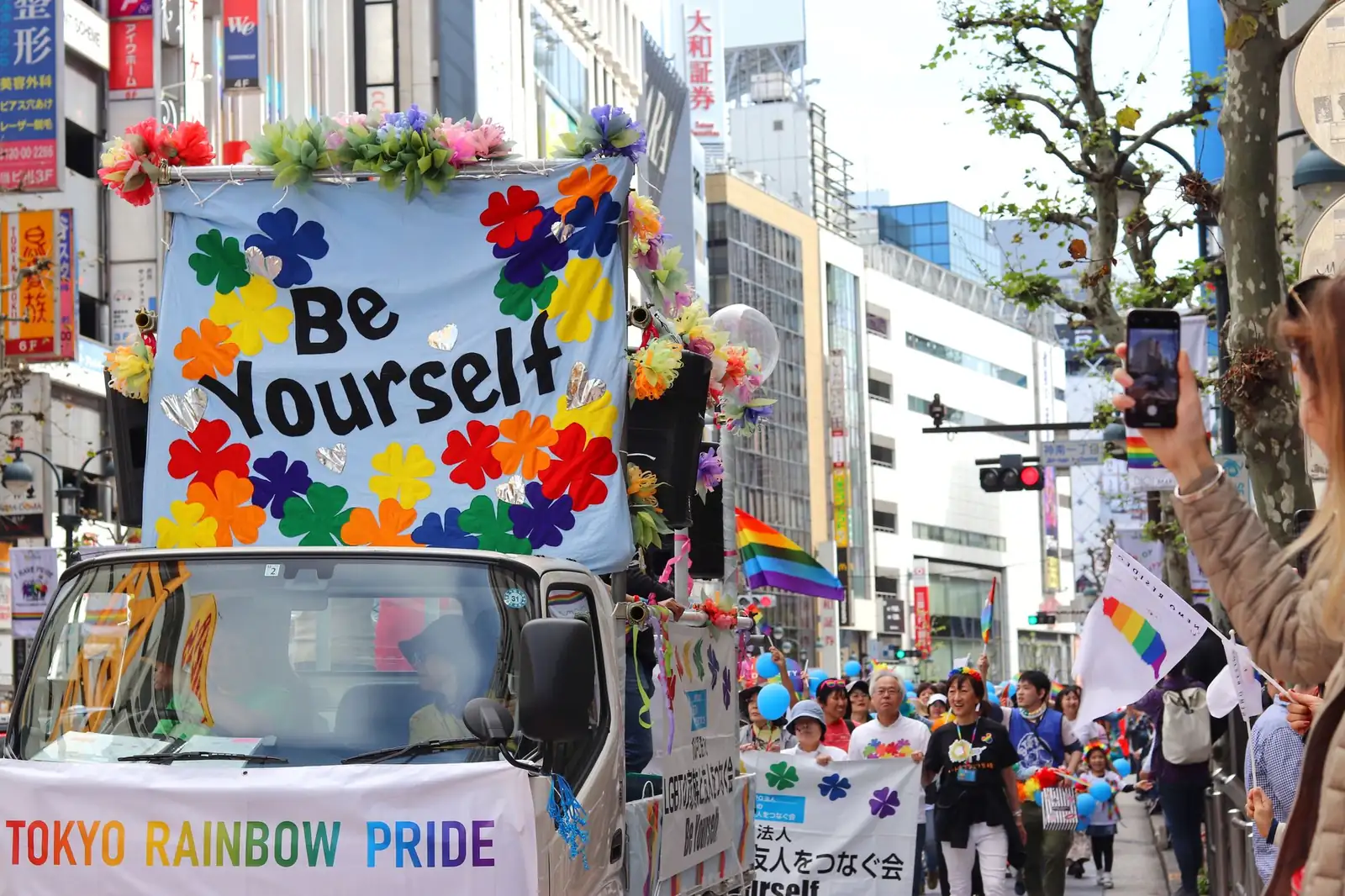
Japan: Kyushu Rainbow Pride 2026 Lights Up Fukuoka as Prefecture Promotes Partnership System

Japan: Two Fathers Redefine Family as Trans Man Postpones Surgery to Carry Children