
Taiwan: Taipei Bar Raid Sparks Southeast Asian LGBTQ Concerns Over Friendly Image
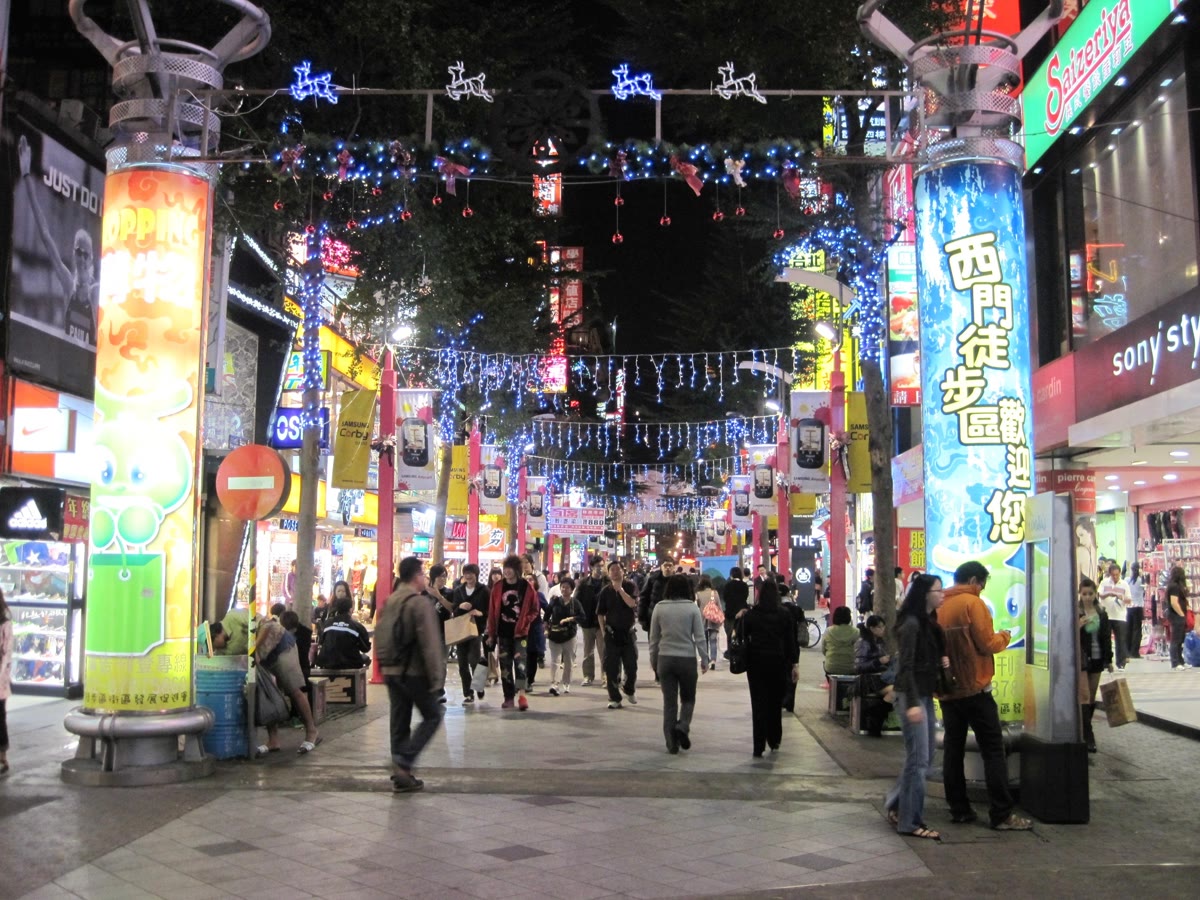
Image source: Wikimedia Commons
In October 2026, an controversial police raid on a gay bar in Taipei's Ximending entertainment district generated widespread international attention, prompting LGBTQ+ advocates across Southeast Asia to re-evaluate Taiwan's reputation as a safe and inclusive destination. Although Taipei Mayor Chiang Wan-an issued an apology regarding discriminatory behavior and several officers received disciplinary action, civil society groups warned that the incident risks tarnishing the island's celebrated openness.
Regional human rights organizations voiced immediate concern over the cross-border ramifications of the operation. Midnight Poonkasetwattana, executive director of Bangkok-based advocacy network APCOM, emphasized that the controversy comes at a precarious time for global queer rights and stands in sharp contrast to Taiwan's welcoming image. Poonkasetwattana cautioned that without swift and transparent remedies, the controversy could undermine the progressive standing Taiwan has cultivated since legalizing same-sex marriage in 2019. Ryan Silverio, executive director of the ASEAN SOGIE Caucus, affirmed that within a generally conservative Southeast Asia, Taiwan has long represented an exceptional beacon of safety, making reports of aggressive venue searches particularly troubling for community travelers.
The controversy has also resonated among individual travelers planning visits to Taiwan. Southeast Asian travelers interviewed by news agencies expressed surprise at the aggressive nature of the raid, noting that while trips have not been canceled, they will exercise heightened caution when visiting nightlife venues out of privacy and surveillance concerns. Regional commentators also questioned whether progressive legal landmarks have translated into genuine everyday acceptance within law enforcement institutions.
With East Asia's largest annual Pride parade scheduled to take place in Taipei in late October, international observers are closely monitoring how municipal and national authorities collaborate with civil society to address structural shortcomings. Advocacy leaders underscored that transparent accountability and robust anti-bias training are essential to reassuring domestic residents and foreign visitors that their fundamental dignity remains safeguarded.
Asian Editorial Department: Kim Min-jun
Related Content
Hong Kong: Man Who Concealed Sex on Dating App Ordered to Pay HK$367,000 for PTSD

Japan: One-Third of LGBTQ+ Workers Consider Leaving Over Workplace Culture, Study Finds
Japan: Survey Finds Workplace Coming-Out Rate Three Times Higher at Small Firms

Japan: J-Pop Star Shinjiro Atae Publicly Comes Out as Gay
Japan: Nippon Sheet Glass Extends Marriage Benefits to Same-Sex Partners

Taiwan: Taipei Bar Raid Sparks Puma Shen's Call for Enforcement Basis