
Japan: Survey Finds Workplace Coming-Out Rate Three Times Higher at Small Firms
This image is for illustrative purposes only and is not directly related to this story. Image source: Mak_jp
In October 2026, the Diversity Study Group of the Tokyo Association of Small and Medium Enterprise Management Consultants, alongside media platform PRIDE JAPAN, released the findings of a workplace inclusivity survey conducted during Tokyo Pride 2026. The empirical data revealed that LGBTQ+ employees working at small and medium-sized enterprises in Japan are more than three times as likely to be open about their identities at work compared to counterparts employed at large corporations.
Conducted on June 6 and 7, 2026, at the Tokyo Pride venue, the study gathered 138 valid responses, including 90 from self-identified LGBTQ+ participants. Among respondents employed at companies with 300 or fewer staff members, 52.6% reported being open regarding their sexual orientation, gender identity, or LGBTQ+ status in the workplace. Conversely, at enterprises with 301 or more employees, the coming-out rate stood at just 17.2%. Notably, this disparity emerged even though 25.0% of respondents at large corporations stated their employers were actively implementing LGBTQ+ initiatives, compared with only 7.1% at smaller businesses.
The survey further highlighted the direct impact of workplace inclusivity on employee retention and career stability. When asked whether a lack of understanding toward sexual and gender minorities at work had influenced their employment decisions, 21.0% of LGBTQ+ respondents stated they had actually resigned or changed jobs, while an additional 17.7% reported having seriously considered leaving their positions. Researchers cautioned, however, that because the sample was drawn exclusively from Tokyo Pride attendees rather than a nationwide random sample, the figures should be interpreted as indicative reference data rather than a generalization of Japanese society as a whole.
From an institutional perspective, the findings raise critical questions regarding the effectiveness of formal corporate diversity frameworks within Japanese business culture. While major corporations increasingly adopt official anti-discrimination guidelines and pride initiatives to meet governance standards, rigid hierarchical structures and conformity pressures often deter employees from disclosing their identities. The higher rate of openness within smaller enterprises suggests that interpersonal trust and daily psychological safety remain more decisive than written policies alone in fostering genuinely inclusive work environments.
Asian Editorial Department: Kim Min-jun
Related Content
Hong Kong: Man Who Concealed Sex on Dating App Ordered to Pay HK$367,000 for PTSD

Japan: One-Third of LGBTQ+ Workers Consider Leaving Over Workplace Culture, Study Finds

Japan: J-Pop Star Shinjiro Atae Publicly Comes Out as Gay
Japan: Nippon Sheet Glass Extends Marriage Benefits to Same-Sex Partners
Taiwan: Taipei Bar Raid Sparks Southeast Asian LGBTQ Concerns Over Friendly Image
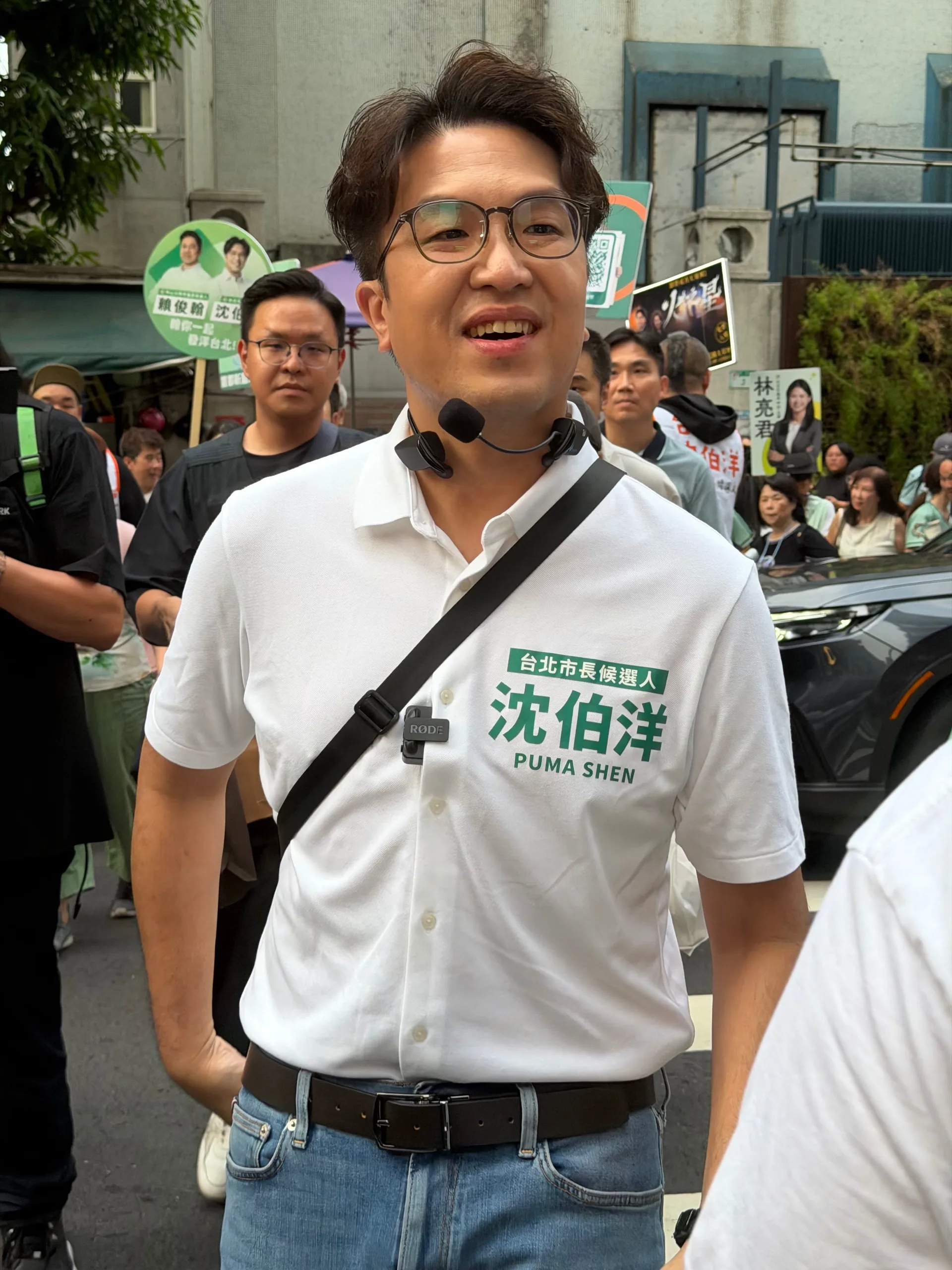
Taiwan: Taipei Bar Raid Sparks Puma Shen's Call for Enforcement Basis