
Japan: Cabinet Approves Nationwide LGBTQ+ Education and Training Plan

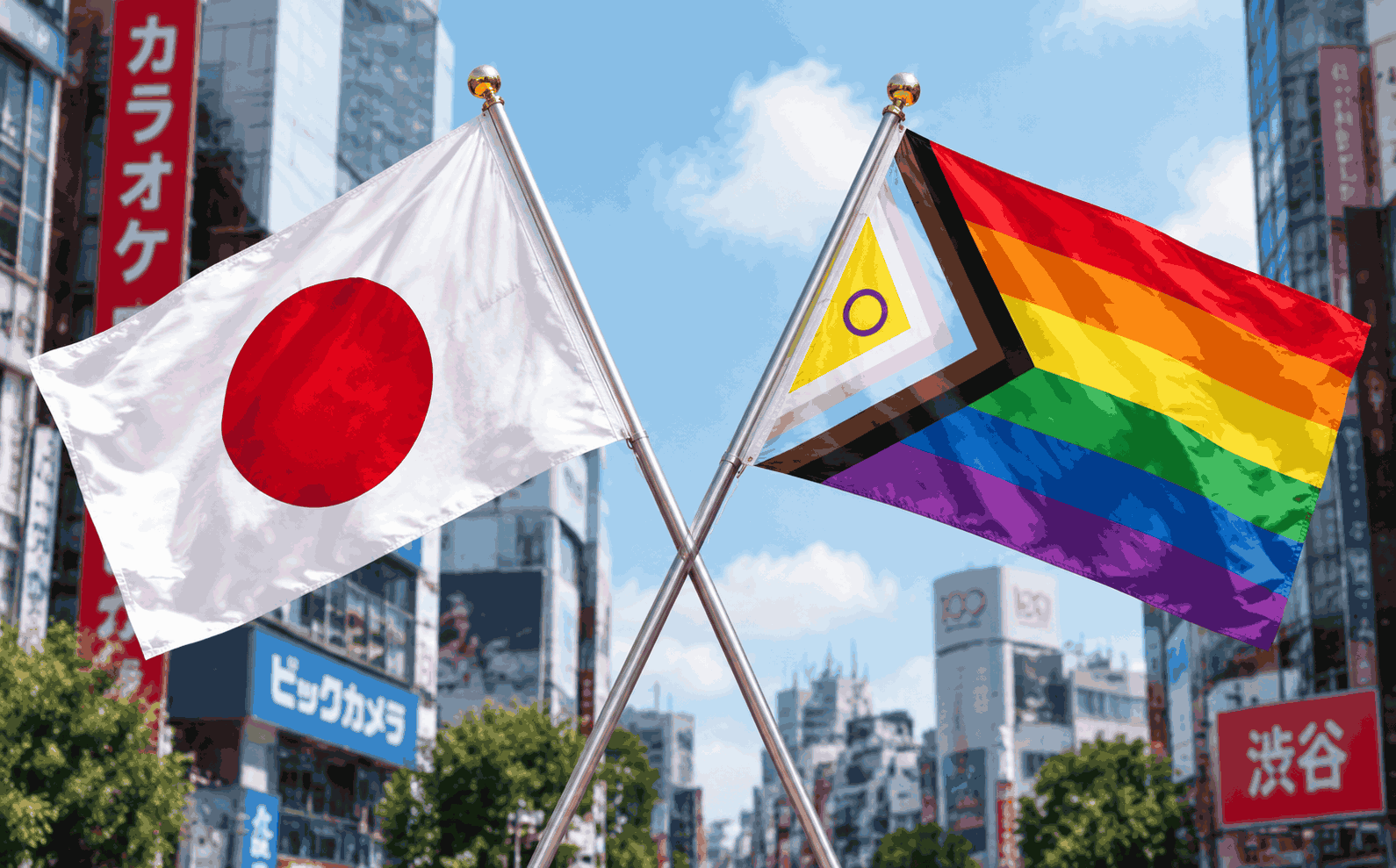
This image is for illustrative purposes only and is not directly related to this story. Image source: Gu Ko
In 2026, the Government of Japan formally initiated the nationwide rollout of a standardized LGBTQ+ education and awareness program across schools, universities, and workplaces throughout the country. The implementation follows formal cabinet approval of the comprehensive policy framework in June 2026, marking the first time the national government has instituted a unified educational strategy addressing sexual and gender diversity across public and private sectors.
The nationwide policy was finalized after three years of protracted legislative debate and institutional compromise between advocacy groups and conservative lawmakers. Prior to its enactment, fewer than 10% of Japanese institutions maintained formal guidelines or anti-discrimination policies concerning sexual minorities. Following extensive stakeholder consultations over classroom curriculum boundaries and parental oversight, the cabinet gave its final executive assent, moving the initiative into active execution across all 47 prefectures.
Under the operational guidelines, primary and secondary schools will receive updated instructional resources designed to educate students about LGBTQ+ individuals while significantly expanding access to certified counselors and school social workers. Concurrently, universities and professional training programs preparing future educators and medical practitioners are mandated to revise their curricula, ensuring that incoming public-sector personnel possess the institutional competencies necessary to support diverse populations without systemic bias.
From an institutional perspective, this educational rollout is viewed as a landmark administrative progression within an otherwise cautious statutory landscape. Japan remains the only member of the Group of Seven (G7) nations that does not legally recognize same-sex marriage or validate lawful unions entered into abroad, leaving LGBTQ+ citizens navigating social hurdles when disclosing their identities. While statutory marriage equality remains unaddressed at the national level, deploying standardized educational resources nationwide is seen as a foundational step toward reducing youth marginalization and fostering lasting civic inclusion.
Asian Editorial Department: Kim Min-jun
Source: Compiled from Cabinet Office of Japan and Ministry of Education, Culture, Sports, Science and Technology (MEXT) notices
References
Cabinet Office of Japan - Special Mission for Cohesive Society & Inclusivity
Related Content

Hong Kong: Man Who Concealed Sex on Dating App Ordered to Pay HK$367,000 for PTSD

Japan: One-Third of LGBTQ+ Workers Consider Leaving Over Workplace Culture, Study Finds

Japan: Survey Finds Workplace Coming-Out Rate Three Times Higher at Small Firms

Japan: J-Pop Star Shinjiro Atae Publicly Comes Out as Gay
Japan: Nippon Sheet Glass Extends Marriage Benefits to Same-Sex Partners

Taiwan: Taipei Bar Raid Sparks Southeast Asian LGBTQ Concerns Over Friendly Image