
Hong Kong: Administrative Barriers Erode LGBTQ+ Public Spaces
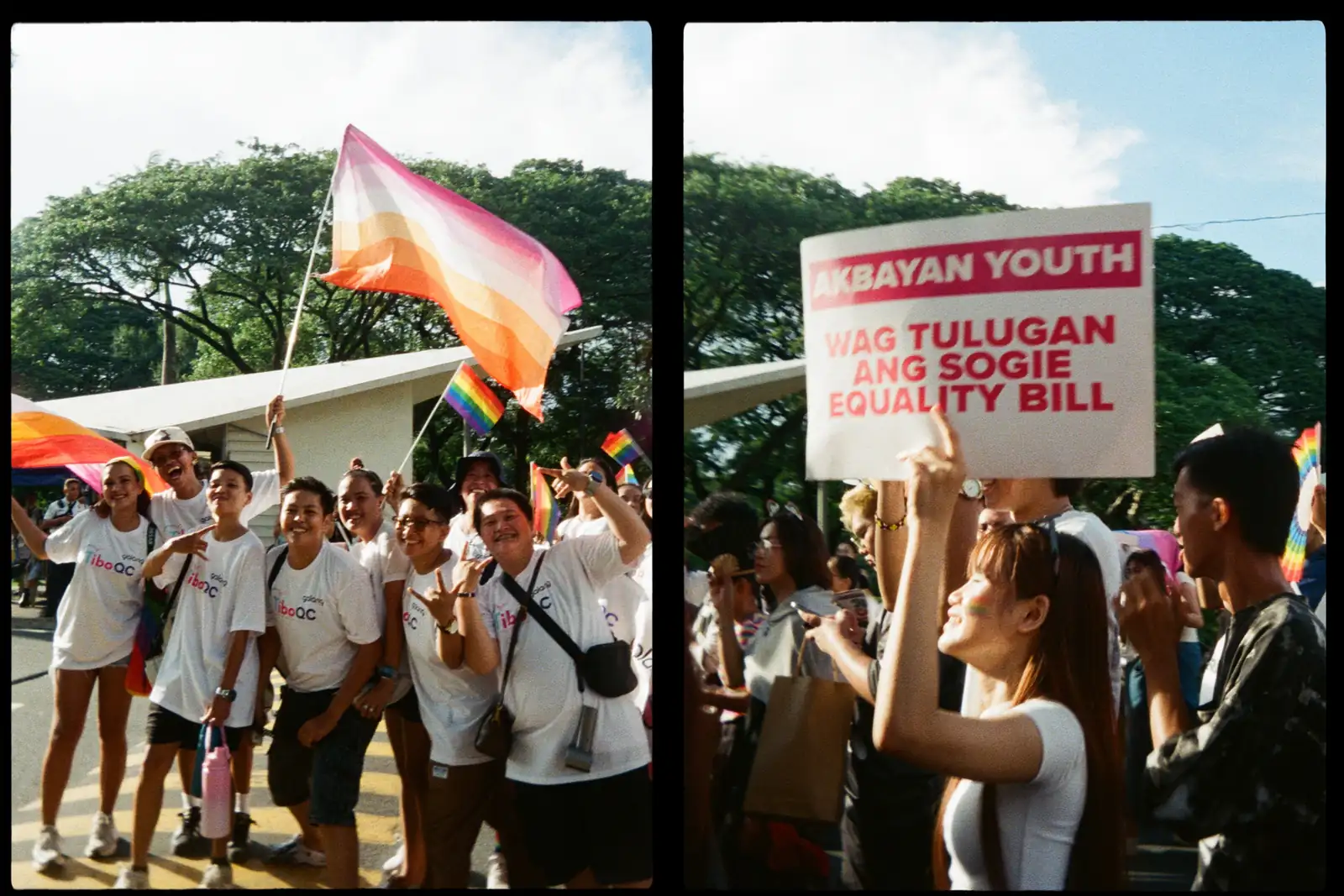
This image is for illustrative purposes only and is not directly related to this story. Image source: Ruie Botron (Pexels)
In October 2026, the organizing committee of Hong Kong Pride officially canceled its annual Rainbow Market at Central Market after venue operators abruptly cited an administrative error leading to a double-booking, despite organizers having secured written confirmation, paid a deposit, and publicized the location. The incident followed a recurring pattern of institutional obstacles: earlier in 2026, Pink Dot HK, the city's largest annual LGBTQ+ carnival, was forced to cancel its gathering for a second consecutive year after the commercial operator of Stanley Plaza and Murray House withdrew venue permissions citing licensing technicalities, following a similar breakdown at the West Kowloon Cultural District in 2025.
These consecutive disruptions illustrate how queer public life in Hong Kong is being curtailed through indirect administrative mechanisms rather than statutory criminal prohibitions. Consensual same-sex sexual conduct between adults was decriminalized in Hong Kong in 1991, with the local judiciary subsequently broadening civil protections for same-sex partners in immigration, taxation, and public housing allocations, while 2023 surveys indicated that 69 percent of residents favored social acceptance of sexual minorities. Nevertheless, with the city's last full-scale public pride march held in 2018, independent grassroots organizations focused on health advocacy and anti-discrimination legal education find it increasingly difficult to secure stable event venues and sustain civic visibility.
Concurrently, this tightening civic environment mirrors a broader transnational reach of state-directed social control across digital platforms and international borders. Amid the prior closure of major community institutions such as Shanghai Pride and the Beijing LGBT Center, authorities have heightened vigilance against autonomous associations possessing international ties, reframing equality advocacy through the lens of political security. Investigative accounts revealed that Chinese nationals returning from Bangkok Pride in 2026 faced inquiries from mainland law enforcement, while overseas cultural hubs such as the Paris-based venue 8lithèque suffered account suspensions on Chinese social media for screening transgender cinema, and mainland authors publishing boy-love fiction on Taiwan's Haitang literature platform faced domestic prosecution.
From an institutional perspective, the contraction of LGBTQ+ public engagement reflects an intersection of demographic imperatives, social stability frameworks, and official ideological realignments. Confronted with demographic decline and falling birth rates, state rhetoric has increasingly emphasized traditional heterosexual marital unions and reproductive obligations, positioning non-normative gender expressions outside the endorsed cultural order. While bureaucratic pressures can dismantle the organizational infrastructure of civic groups, the prolonged administrative exclusion of private identity risks generating persistent social alienation among citizens navigating everyday civic life.
Asian Editorial Department: Kim Min-jun
Source: Compiled from investigative reports and regional coverage
References
Equal Opportunities Commission of Hong Kong
Hong Kong Pride Parade Official Portal
The Citizen Lab - Munk School of Global Affairs and Public Policy
Related Content
Hong Kong: Man Who Concealed Sex on Dating App Ordered to Pay HK$367,000 for PTSD

Japan: One-Third of LGBTQ+ Workers Consider Leaving Over Workplace Culture, Study Finds
Japan: Survey Finds Workplace Coming-Out Rate Three Times Higher at Small Firms

Japan: J-Pop Star Shinjiro Atae Publicly Comes Out as Gay
Japan: Nippon Sheet Glass Extends Marriage Benefits to Same-Sex Partners
Taiwan: Taipei Bar Raid Sparks Southeast Asian LGBTQ Concerns Over Friendly Image